Buying a seasonal retreat in South Florida can be exciting, but financing one requires a clear plan. A lender will examine how you intend to use the property, whether you can carry both homes, and how local insurance or condo requirements affect the file.
Schedule a second-home mortgage consultation before you make an offer.
A second home mortgage South Florida buyers use finances a vacation or seasonal property intended mainly for personal use. The home generally must be suitable for year-round occupancy, remain under the buyer’s control, and cannot function primarily as a rental or investment property.
Securing a seasonal home in South Florida needs a clear plan for your money. You should know how these loans differ from the ones for a main house. Before you sign a contract, you must learn What makes a second home mortgage different? This vital check starts with
Individual NMLS# 332209, Company NMLS# 1532755.
Second Home Mortgage South Florida: What makes a second home mortgage different?
A second home mortgage South Florida buyers seek is not the same as a primary loan or an investment plan. The main factor is how you plan to use the house. A true second home is a place where you stay for part of the year. This often includes vacation spots or seasonal retreats. You must have full control over the property to get these set loan terms.
Intent and personal use
Lenders look closely at why you want to buy the house. For a second home, you must live in the house for some of the year. It should be a place for you to stay, not just a way to make money. Many people choose South Florida condo financing options to find a winter getaway. These homes must be fit for use all year to meet rules found at The American College.
South Florida is a top choice for people who want to escape the cold. Many buyers look for homes in Palm Beach or Miami-Dade to use during the winter months. This seasonal use is a key part of owning a second home. You get to enjoy the local sun while also building value in a fast-growing market. Choosing a spot that fits your lifestyle is just as important as the loan itself.
If you plan to rent the house out most of the time, it becomes an investment property. This change in intent affects your rate and your down payment. You can still rent out a second home for short stays in some cases. But you cannot use that rental cash to help you get the loan. If your main goal is profit, you might need investment property mortgages or DSCR loans instead.
Comparing costs and plans
Choosing the right loan type is vital for your financial future. Second home loans often have better terms than investment loans. Lenders see less risk when you plan to live in the home yourself. But you must be honest about your plans. Lying to a lender about how you will use the home is a serious issue. Use the table below to see the common ways these loan types differ.
| Feature | Second Home | Investment Property |
|---|---|---|
| Your Stay | Must stay there part-time | No personal stay needed |
| Down Payment | Usually 10% or more | Often 20% to 25% |
| Rental Income | Cannot use to qualify | Can use to qualify |
| Interest Rates | Lower than investment | Higher than second home |
| Loan Limits | Varies by property unit | May have stricter caps |
Why honest intent matters
Honesty is the best policy when you apply for a second home mortgage South Florida lenders offer. You must state your plans clearly on the loan papers. If you buy a house as a second home but use it as a full-time rental, you could face legal trouble. Some loans, like VA loans, are only for a primary home. You cannot use a VA loan to buy a vacation home according to the Consumer Financial Protection Bureau.
Lenders will check the distance from your main home to the new house. They want to see that the second home makes sense as a seasonal spot. A house just a few miles away from your current home might raise a red flag. It could look like a rental deal rather than a vacation spot. Talk to an expert to find the best path for your South Florida home purchase.
Your lender needs to know that you can handle the costs of two homes. They will look at your credit and your cash reserves. Owning two properties is often more complex than owning just one. It involves more bills, taxes, and insurance needs. By being clear about your goals, you can find a plan that works for your budget and your future.
How do you qualify for a second home mortgage in South Florida?
Qualification depends on the full borrower and property profile. Expect a review of income, assets, debts, credit, reserves, intended occupancy, and the cost of maintaining both your primary residence and second home.
Getting a second home mortgage in South Florida is slightly different than buying your first home. Lenders see these loans as a higher risk. If money gets tight, most people will pay the mortgage on their main house first. Because of this, you may face stricter rules for your credit and cash reserves. Working with an expert mortgage broker can help you find the best paths for your needs.
Credit and income rules
Your credit score is a big factor when you apply for a second home mortgage in South Florida. Most lenders want to see a higher score than what they need for a primary home. While some programs allow for lower scores, a strong credit profile often leads to better rates. Lenders will also look closely at your debt-to-income (DTI) ratio. This ratio must include the costs for both your current home and the new property.
You also need to show that you have enough cash in the bank. Lenders call these reserves. They want to know you can pay both mortgages for several months if your income stops. The amount of cash you need can vary based on your credit and the loan type. Some loans may need two months of payments, while others could need six months or more.
Down payment and insurance needs
The down payment for a second home is usually higher than for a primary home. You often need to put down at least 10% to 20% of the home’s price. If you put down less than 20%, you will likely need to pay for private mortgage insurance (PMI). Since Florida has 15% of all second homes in the country, lenders here know these deals well.
In South Florida, property insurance is a major part of the loan process. Costs for wind and flood insurance can be high in places like Palm Beach or Miami-Dade. You must account for these costs when you work out your monthly budget. Meeting Florida insurance mortgage requirements is a key step to getting your loan. High costs can impact your DTI ratio and change how much you can borrow.
Property types and use limits
Not every property can qualify for a second home mortgage. The home must be a one-unit dwelling that you can live in all year. It cannot be a timeshare or a home that you only use as a rental. While you can rent out the home for part of the year, your main goal should be to live there some of the time. You must also have full control over the property at all times.
Some loan types have very strict limits on how you use the home. For example, VA loans are only for primary homes and cannot be used for vacation houses. If you want to buy a condo, you will also need to check the building’s rules. Many South Florida condos must meet specific lender rules before you can get a loan.
Common items you will need to provide:
- Two years of tax returns and W-2 forms.
- Recent bank statements to show cash reserves.
- Proof of your primary housing payment.
- Data on any other debts you owe.
Mortgages Done Right Inc. (Individual NMLS# 332209, Company NMLS# 1532755) provides this info to help you plan your next move.
Steps to prepare before applying
Before applying, organize income, asset, debt, and housing-expense records; clarify your intended occupancy; and ask how insurance, association rules, and property type may affect qualification.
Buying a second home in South Florida is a big step that needs a plan. Good prep work helps you avoid surprises. It can also make the loan process go much faster. Taking these steps early ensures you are ready when you find the right place.
Know how you will use the home
Lenders have strict rules for how you use the house. A second home must be fit for use all year. You must also have full control over the property. If you plan to rent it out, you might need a different loan. Knowing your goal early helps an expert mortgage broker find the right path for you.
Find the full cost of the house
Your monthly bill is only part of the cost. In South Florida, you must plan for high insurance costs and taxes. If you want a beach condo, check into South Florida condo financing options and their fees. These costs can change how much you are able to borrow.
Get your papers and cash ready
Lenders often ask for more proof of funds for a second home. You will need to show where your down payment comes from. You also need to show you have extra cash to cover many months of bills. Getting your tax forms and bank files ready now will save you time later.
- Check your credit score: Second homes often need a score of 700 or more to get the best rates.
- Look at your cash savings: Many lenders want to see 6 to 12 months of cash to cover all home costs.
- Plan your down payment: You may need to put down 10% to 20% for a second home mortgage.
- Keep your records: Have your last two years of tax forms and 60 days of bank files ready to go.
- Get a pre-approval: Talk to a pro to see how much you can spend before you start your home search.
Following these steps helps you move with poise in the South Florida market. Being ready allows you to make strong offers. It also helps your loan get through without any problems.
Budget beyond the purchase price
A practical second-home budget includes more than principal and interest. Plan for insurance, taxes, association dues, maintenance, reserves, travel, and the cost of carrying two properties.
Talk with Mortgages Done Right Inc. to review the full monthly cost before applying.
Buying a getaway in the Sunshine State is a big step. You must look past the list price and monthly payment to see the full cost. Florida is home to 15% of all second homes in the country. This means you need a clear plan for your money.
A second home mortgage South Florida comes with rare local costs that vary by county. You should work with a pro to find all the hidden fees before you sign. This helps you build a budget that works for a long time.
Florida property taxes and high insurance costs
Property taxes in South Florida can shock new owners. Florida has a Save Our Homes cap, but it only applies to main homes. For your second home, the tax bill can go up by as much as 10% each year. This makes it needed to check the tax past of any home you like.
You should check the current tax rate in Palm Beach or Broward county before you buy. This helps you avoid a shock when the first bill arrives. Local tax offices have tools to help you guess your new bill. These tools use the most recent sales facts to give you a fair range.
Insurance is another big cost to track. The South Florida market is tough right now. You will need a basic policy plus wind and flood cover. Many lenders also ask for a jumbo loan for high-priced homes, so it is best to get quotes early.
Managing HOA fees and condo charges
Many getaway homes are in managed areas. These often have monthly or fixed fees. HOA fees pay for pools, gyms, and lawn care. But you must also watch for special charges. These are one-time costs for big repairs like a new roof or a painted deck.
Always ask for the last two years of board notes. These notes can show you what costs might be coming soon. Condo buyers should also look at the building’s reserve funds. A healthy reserve means the group can handle repairs without asking you for more cash.
If the reserve is low, you might face a large bill soon after you close. Checking these facts helps you stay in control of your spending. You can also ask about the past of fee hikes in the building. This shows if the board manages the money well over time.
Upkeep and storm prep reserves
Owning a home you do not live in full-time brings extra needs. You may want a home watch service to check on the house while you are away. They look for leaks, mold, or pests. You also need to budget for lawn care and pool cleaning.
These costs add up fast when you are not there to do the work yourself. It is smart to set aside a set amount each month for these tasks. Storm prep is also a key part of life in South Florida. You may need to buy shutters or impact glass for the home.
If a storm is coming, you might have to pay a pro to put up the shutters if you are out of state. It is wise to keep a reserve fund for these events. This fund should also cover travel costs for quick trips to check on the property after a big storm.
Last, keep a cash cushion for daily repairs. Even new homes have parts that break or wear out. A good rule is to save a small amount each year for upkeep. This helps the house stay in top shape for your next visit and saves your house.
When might jumbo financing fit?
Jumbo financing may fit when the required loan amount exceeds applicable conforming limits. These files often receive closer review of credit, reserves, income, assets, and property details.
Finding a second home mortgage in South Florida often involves looking at properties that go past local loan limits. In many parts of Palm Beach and Miami-Dade, home prices have risen quickly. When the price of a home goes past the limits set by Fannie Mae or Freddie Mac, a jumbo loan may be the right choice. These loans help you buy a house that costs more than the standard cap, which is about $766,550 for many areas. You can learn more about jumbo financing to see how these options work for high-value properties.
High loan amounts in luxury markets
Luxury areas like Boca Raton or Jupiter often have homes that require larger loans. If you are looking for a second home mortgage South Florida provides many high-end choices. A jumbo loan fits when you need to borrow more than the standard limit. Since these loans carry more risk for the lender, they often have stricter rules. You may need a credit score of 700 or higher to qualify. Lenders also look for larger cash reserves to make sure you can handle the monthly costs of two homes.
Florida accounts for 15% of all second homes in the United States. This high demand means lenders are used to high-value deals in the state. For a jumbo loan, you will likely need to show deep proof of your income and assets. While some loans allow for small down payments, jumbo loans often ask for 20% or more. This helps keep the loan-to-value ratio low, which protects both you and the bank.
Flexible paths for unique homes
Jumbo loans can also offer paths for homes that do not fit into normal boxes. Some high-priced condos or large estates in South Florida might not meet standard agency rules. A jumbo loan can give you more ways to buy these unique properties. It is vital to check Florida insurance mortgage rules before you sign any papers. High premiums or specific flood zone rules can change how much you can afford to borrow each month.
Some people think they can use a VA loan for a vacation home, but these are only for primary residences. According to the Consumer Financial Protection Bureau, you cannot use VA benefits for a second home. If you are a veteran looking for a luxury home in South Florida, jumbo financing may be your best path. It allows you to get the home you want without the strict caps of a standard loan.
Planning for the long term
Choosing a jumbo loan means looking at your full financial plan. Owning a second home can be twice as complex as owning one. You must think about the cost of care, taxes, and daily upkeep. A jumbo loan might have a higher rate, but it also allows you to keep more of your cash in other places. Reviewing several loan structures can help you find a plan that keeps your wealth growing while you enjoy your new home.
A second home can be a great place to retire in the future. Buying now with a jumbo loan lets you lock in a property in a popular area today. This move can help you grow your equity over time in a market that often sees high demand. Your mortgage broker can show you how different jumbo options fit your life goals. They can help you find the best way to fund your South Florida dream house.
How should location shape your decision?
Location shapes both lifestyle and financing. Compare flood and wind exposure, insurance availability, association rules, travel access, and the property’s suitability for year-round occupancy.
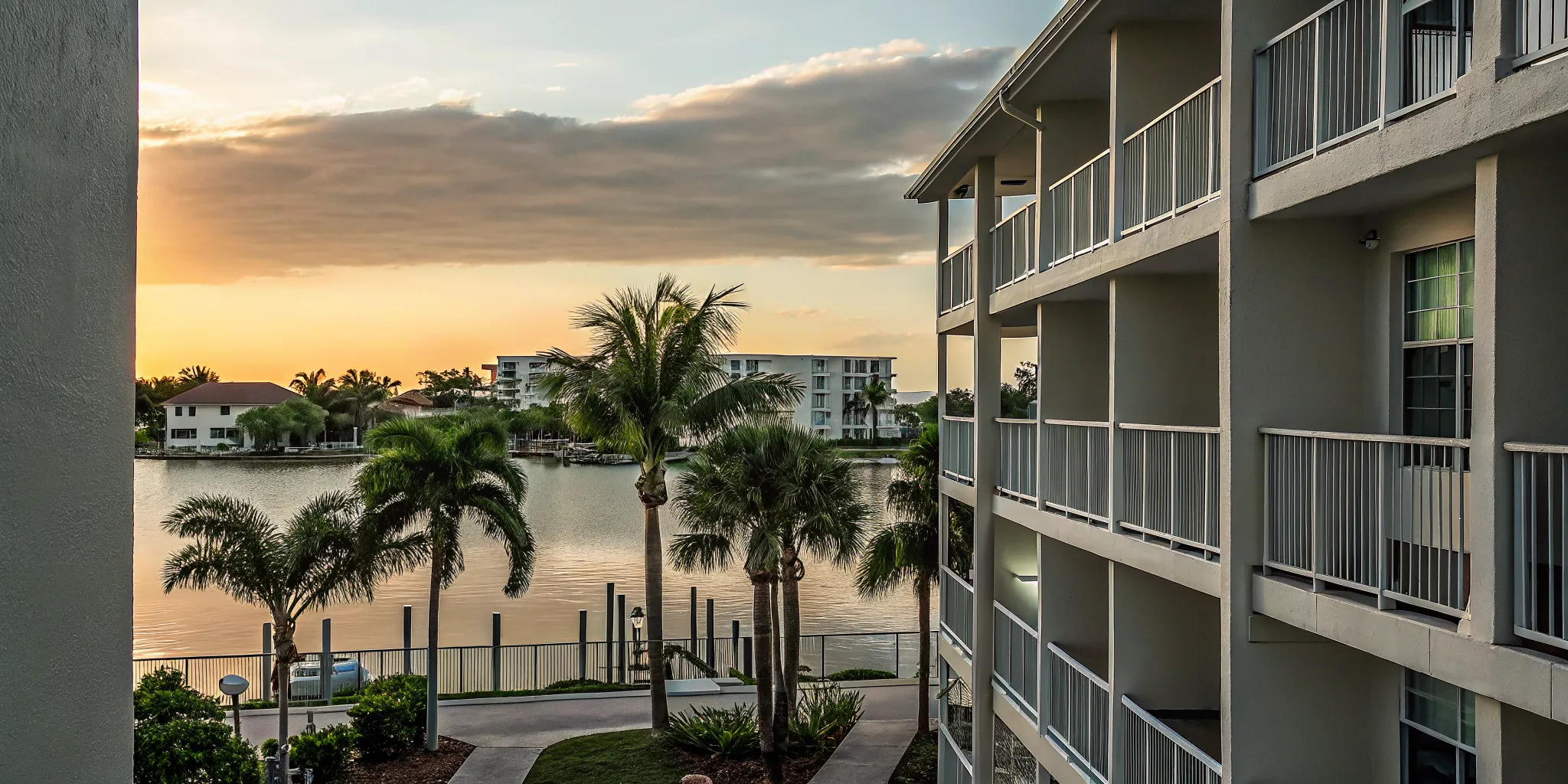
Your choice of location in South Florida will change how you get a loan. Each county has its own rules and costs. Whether you look in Palm Beach, Broward, Miami-Dade, or St. Lucie, you must think about local factors. A second home mortgage South Florida often depends on the type of house and where it sits. Florida is a top choice for buyers, and it holds about 15% of all second homes in the country.
Property types and your loan
Many people buy condos for a second home in this area. Financing a condo is different from buying a house. Lenders look at the condo group as well as your money. You can learn more about South Florida condo financing options to see what you need. Condo groups often have fees that you must pay each month. These fees can change your budget in a big way.
A second home must be a one-unit dwelling. It cannot be a timeshare or a rental property to fit some loan rules. It must also be ready for you to live in all year. These rules come from Fannie Mae occupancy standards which help lenders decide if a loan is safe. You must have full control over the property as the owner.
County and community rules
Rules can change fast as you move between counties. Palm Beach and Broward may have different tax rates or fees. Many spots also have a group for owners called an HOA. These groups often have their own rules about how you use the home. Some might limit if you can let guests stay while you are away. It is wise to work with a pro to find these hidden costs. You can get expert mortgage broker guidance to help you compare towns.
It is smart to check these rules before you sign any papers. You want to make sure the lifestyle fits your goals. Some buyers find that a home near the beach has more rules than one further inland. These small details can add up to big costs over time. Managing a second home is more complex than a primary home, so you should plan for maintenance too.
Insurance and lifestyle fit
South Florida has a tough insurance market. Rates can be high, and it can be hard to find a good plan. You must meet Florida insurance mortgage requirements to get your loan approved. This is very true for homes near the water in Miami-Dade or St. Lucie. Storm risk can make some homes more costly to protect than others.
Your loan also depends on how you use the home. You must live in the house for some part of the year. It should not be a full-time rental if you want a second home loan. If you do rent it out sometimes, the lender has specific ways to check that income. Thinking about these factors early will help you find the best spot for your new home. Mortgages Done Right Inc. can help you with your search (Individual NMLS# 332209, Company NMLS# 1532755).
Frequently Asked Questions
Can I use a VA loan to buy a second home?
No, you cannot use your VA loan benefit to buy a second home for vacation or investment use. According to the Consumer Financial Protection Bureau, these loans are only for a main home. You must plan to live in the house as your primary house. If you want a vacation house in South Florida, you will need to use a conventional or jumbo loan instead. This helps you get the right deal for your needs.
Can a second home mortgage be used for investment properties?
A second home mortgage is not for investment homes or timeshares. Rules from Fannie Mae say that the house must be a one-unit home that you own and use for part of the year. If you plan to use the home mostly as a rental to earn cash, you must apply for an investment home loan. These loans have different rules, rates, and down payment needs than those for vacation homes.
What is the maximum LTV for a second home mortgage?
Many lenders cap the max loan-to-value ratio for a second home at 80 percent for good buyers. This means you usually need a down payment of at least 20 percent. If your loan-to-value ratio is more than 80 percent, you will likely need to pay for private mortgage insurance. These rules help lower risk for the bank since second homes can cost more to own than a main house. Ask your broker for help.
Does my second home need to be suitable for year-round occupancy?
Yes, a home must be fit for use all year to qualify for a second home mortgage. This means the house should have heat, water, and power that work in all seasons. It must also be a one-unit home where you have full control over the site. These rules ensure the house stays in good shape and keeps its value. If a house is only for summer use or lacks utilities, it may not meet loan rules.
Ready to buy your South Florida vacation home?
Start by reviewing your intended use, complete budget, available funds, and preferred location. Early guidance can help you compare suitable mortgage options before you commit to a property.
The South Florida home market moves very fast. Waiting to start can mean missing the perfect beach home as prices and rates change. By starting your financing plan now, you get a clear view of your loan options. This lets you make a strong offer as soon as you find the right place for your family. Getting expert mortgage broker guidance also lets you avoid traps like high insurance costs or tricky condo rules. These issues can slow your closing or cost you more money later. You want to spend your time in the sun, not on more paperwork. Getting your loan ready now means you can move into your home before the next season starts.
Ready to book a mortgage consultation? Contact our team to book a mortgage consultation and start your search.