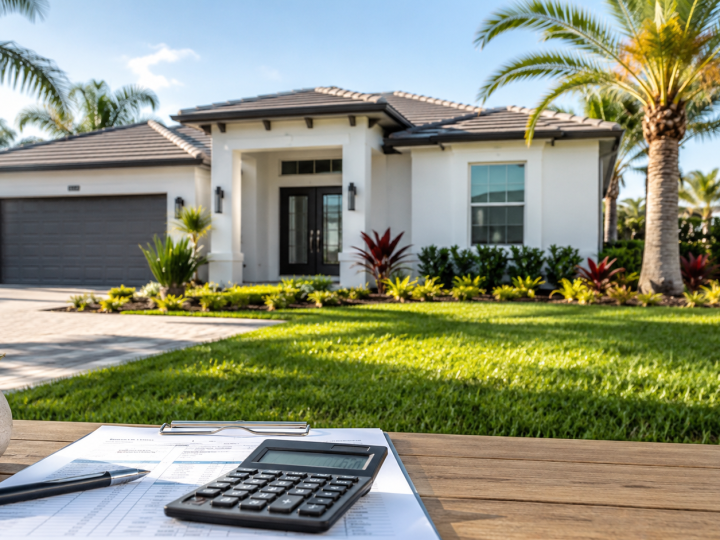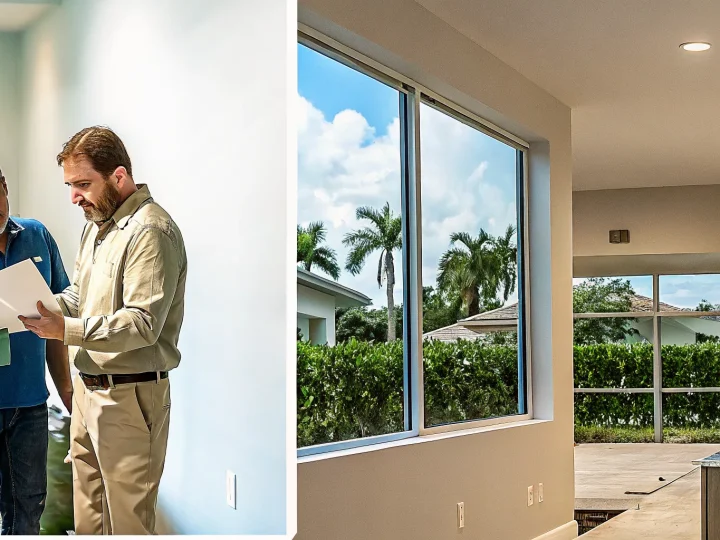
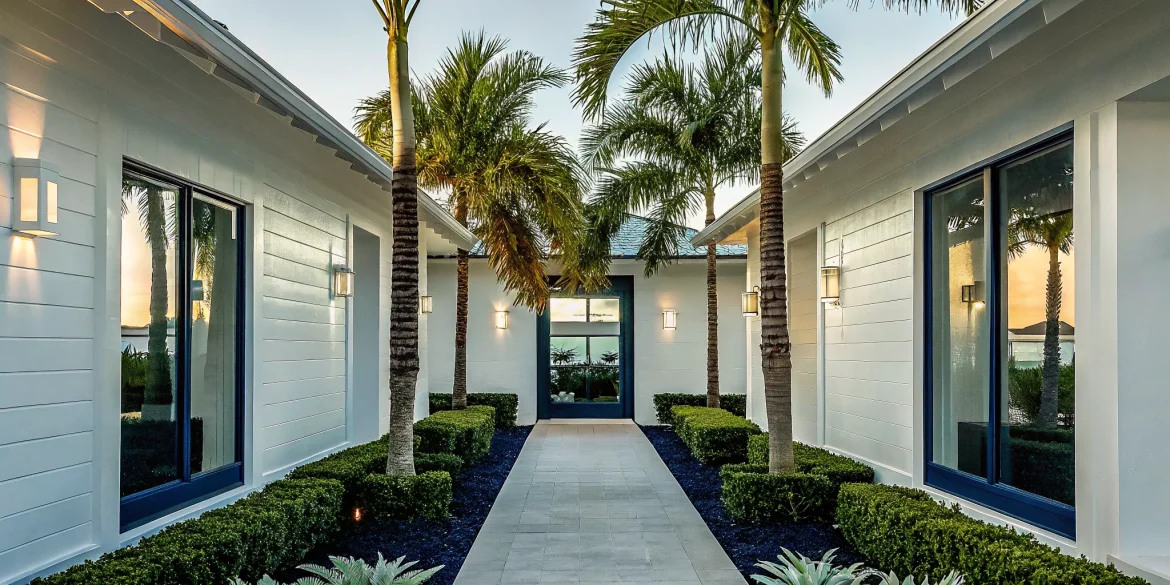
A Florida getaway can be part retreat, part long-term asset, and part family gathering place. Financing it starts with one important question: will the property truly be a second home, or will its use make it an investment property?
Talk with Mortgages Done Right about your second-home financing plan.
A second home mortgage Florida buyers seek finances a property they intend to occupy for part of the year but not use as their primary residence. Lenders typically review occupancy intent, credit, debt-to-income ratio, down payment, cash reserves, property type, and the cost of carrying two homes. Requirements vary by lender and loan program.
The distinction matters. A borrower who describes a rental property as a second home can create underwriting and compliance problems. A clear plan, complete documentation, and realistic ownership budget help you compare suitable options without relying on rate or approval promises.
What counts as a second home in Florida?
A second home is generally a one-unit property that the borrower will occupy during part of the year, can access and control, and does not primarily operate as a rental. The property should make sense as a vacation or seasonal residence based on its location and intended use.
Personal occupancy is the defining feature
Second-home financing is built around personal use. You should expect an underwriter to ask why you are purchasing the property, how often you plan to use it, and whether anyone else will occupy it. A beach condo used during vacations or a seasonal home used during winter may fit the category. A house purchased mainly to produce rental income usually does not.
Be direct about any rental plans. Some programs may permit limited rental activity, but lender rules differ. If income from guests is central to making the payment, an investment-property loan may be the more appropriate path. Your stated intent at application should match how you actually plan to use the home.
Property type and control also matter
Lenders commonly expect a second home to be a one-unit residence suitable for year-round occupancy. Condos, townhouses, and detached homes may qualify when the property and project meet program standards. Timeshares and arrangements that significantly restrict your control usually do not fit conventional second-home treatment.
Distance from your primary home can also prompt questions. A home in South Florida may clearly serve as a seasonal residence for someone living out of state. A purchase close to the primary residence may require a stronger explanation of its purpose. There is no single distance rule that applies to every lender, so discuss the specific property before making assumptions.
How does second-home financing compare with other loans?
Primary-residence loans generally receive the most favorable risk treatment because the borrower lives there full-time. Second-home loans add the cost of maintaining two residences. Investment-property loans are underwritten around a property intended to generate income and often require more equity and reserves.
| Financing type | Typical intended use | Income treatment | Planning focus |
|---|---|---|---|
| Primary residence | Main home | Borrower income | Occupancy and affordability |
| Second home | Personal seasonal or vacation use | Usually borrower income, not projected rent | Two-home obligations and reserves |
| Investment property | Rental income or appreciation | May consider qualifying rental income | Cash flow, equity, and investor requirements |
Why the correct classification matters
Property use influences pricing, documentation, down payment expectations, and the amount of cash a lender may want you to keep after closing. It also affects which loan products should be considered. A buyer planning occasional personal use and substantial short-term rental activity should explain the full plan rather than selecting a category based only on the terms they prefer.
If the home will primarily be a rental, review DSCR investor loan options in Florida. DSCR programs evaluate investment-property cash flow differently from traditional loans, although requirements vary. If the property price requires a larger loan amount, explore jumbo loans in Florida and their additional documentation and reserve considerations.
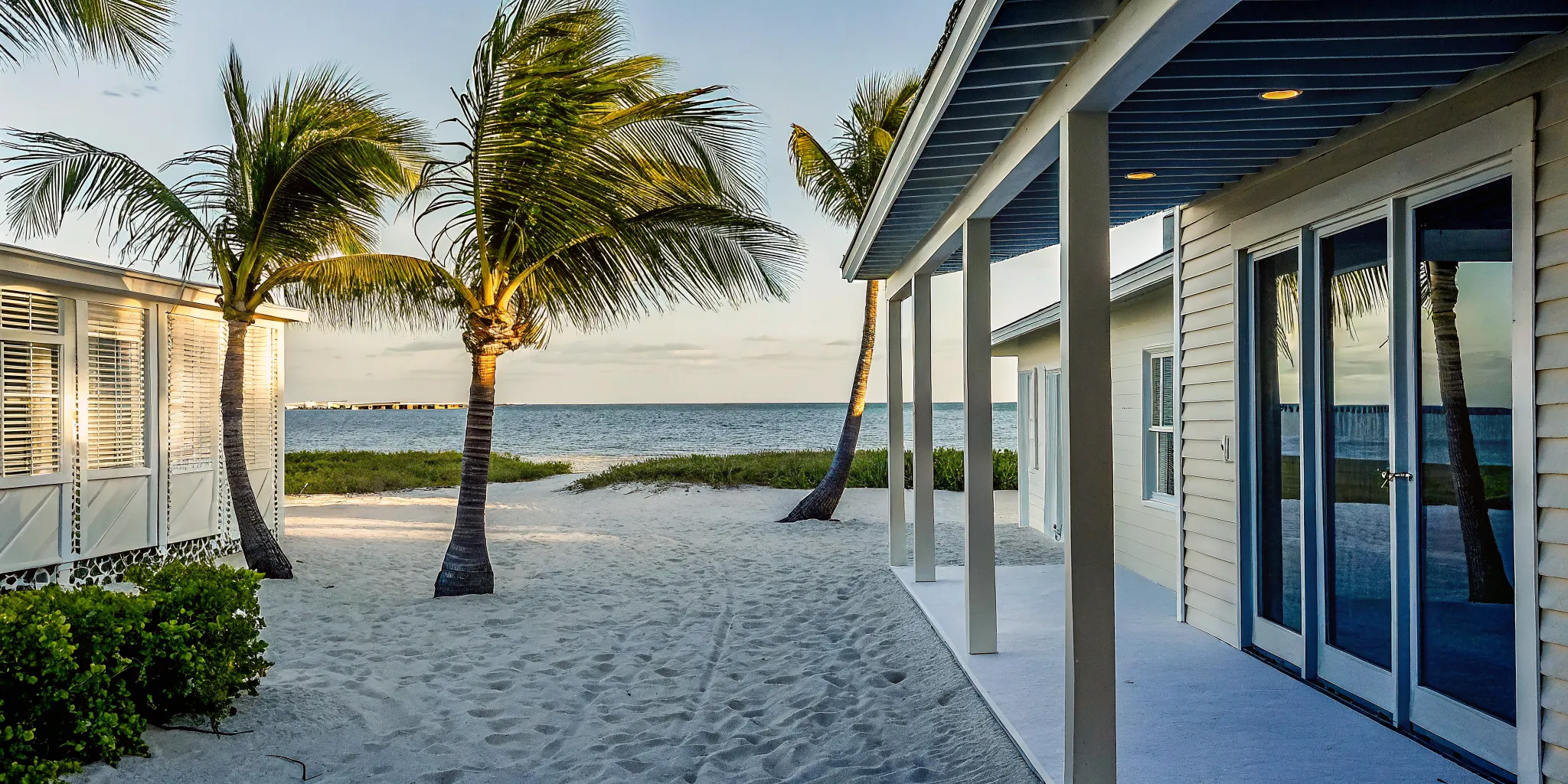
What do lenders review for a second home mortgage Florida buyers seek?
Lenders evaluate the entire financial picture: credit history, recurring debts, stable income, available funds, reserves after closing, and the property itself. Strong performance in one area may not offset a significant weakness in another, and each program has its own guidelines.
Credit, debt, and down payment
Many second-home buyers encounter minimum down payments around 10%, while a lender may require 20% or more depending on credit, debt, property type, loan size, and program. Credit-score expectations also vary. Some options may begin around 680, while stronger pricing or higher loan amounts may call for 720 or above. These figures are planning ranges, not promises.
The debt-to-income ratio includes obligations for both homes, such as principal, interest, taxes, insurance, association dues, and other recurring debts. A lender will verify that your documented income can support the combined monthly obligations. Projected vacation-rental income generally should not be assumed to solve an affordability gap unless the chosen investment program specifically permits it.
Cash reserves after closing
Reserves are funds remaining after the down payment and closing costs. They are often measured in months of housing payments. A lender may require several months of reserves for the primary and second home, and larger loan amounts can lead to greater expectations. Keep reserve funds in verifiable accounts and avoid unexplained deposits before underwriting.
Which documents should you prepare?
Prepare identification, income records, bank and investment statements, current mortgage statements, insurance estimates, and property documents. Complete, consistent files help the lender verify income, assets, occupancy intent, and the full cost of ownership.
Income and asset documentation
Traditionally documented borrowers may need recent pay stubs, W-2 forms, tax returns, bank statements, and employment verification. Self-employed buyers often need personal and business tax returns plus year-to-date financial statements. Additional records may be requested when income is variable, assets were recently transferred, or another property is being sold.
Provide every page of requested statements, even blank pages. Large deposits should be documented with a clear paper trail. Avoid opening new credit accounts or moving significant funds without first asking how the change may affect underwriting.
Property and occupancy documentation
The purchase contract, appraisal, title work, insurance quotes, and association documents help the lender assess the property. For a condo, project finances, insurance, reserves, and pending assessments can affect eligibility. You may also be asked to sign an occupancy statement confirming the intended use.
- Explain how and when you plan to use the property.
- Gather two years of income records when requested.
- Organize bank, investment, and retirement statements.
- Document funds for down payment, costs, and reserves.
- Obtain realistic insurance and association-cost estimates.
- Disclose any rental plans before selecting a program.
How should you budget for a Florida vacation property?
Budget beyond the mortgage payment. Florida second-home ownership can include wind and flood coverage, property taxes, association dues, special assessments, utilities, maintenance, repairs, travel, and property-management costs.
Insurance, taxes, and association costs
Insurance can materially affect affordability, especially near the coast or in a flood zone. Obtain quotes early and ask what deductibles and exclusions apply. Do not rely on the seller’s current premium, because your coverage and cost may differ. Property taxes may also reset after a sale, and a second home generally does not receive the same homestead treatment as a primary residence.
For condos and planned communities, review regular dues, reserve funding, pending assessments, and recent meeting minutes. A seemingly affordable unit can become difficult to carry if a major assessment is approved after closing.
Build a conservative ownership plan
Create a monthly budget with the mortgage, taxes, insurance, dues, utilities, and routine care. Then add an annual reserve for repairs and storm preparation. If you may rent the property occasionally, treat that income as uncertain unless your financing and local rules clearly permit the arrangement.
- Request insurance quotes before the inspection period ends.
- Review association budgets and pending assessments.
- Plan for travel, furnishing, security, and maintenance.
- Keep a separate emergency reserve for the second home.
- Confirm local and association rental rules before relying on rental income.
Frequently asked questions about second home mortgages
Can I rent out a Florida second home?
Limited rental activity may be permitted under some programs, but the property must remain primarily for your personal use if financed as a second home. Disclose the plan before applying. A property intended mainly for rental income should be evaluated as an investment property.
How much down payment is needed for a second home?
Some second-home programs may allow a down payment around 10%, while other scenarios require 20% or more. Credit, debt-to-income ratio, property type, loan size, and reserves all influence the requirement.
Can projected rent help me qualify?
Projected rent is generally not the foundation of qualifying for a true second home. If cash flow from rent is central to the purchase, ask whether investment-property or DSCR financing is more suitable.
Can a second home use jumbo financing?
Yes, a higher-priced second home may require jumbo financing when the loan amount exceeds applicable conforming limits. Jumbo lenders often review credit, documentation, and reserves more closely.
A practical second-home financing timeline
A smooth purchase starts before the property search. Review your intended use and finances first, request program guidance before making an offer, and keep documents current through closing.
Before you shop
Start by listing your goals for the property. Note how many weeks you expect to occupy it, whether family members will use it, and whether you may rent it at all. Then compare your current monthly obligations with a conservative estimate of the second home’s full cost. This early review can identify whether a true second-home loan, an investment loan, or jumbo financing deserves closer attention.
Check your credit reports and organize income and asset records. If you expect to use proceeds from another sale, a gift, or a business account, discuss the source before transferring funds. Clear documentation helps reduce questions later.
After you find a property
Once under contract, promptly order inspections and obtain insurance quotes. Give the lender complete property documents and respond quickly to requests. Condo buyers should allow time for the lender to review the association, insurance, financial statements, and any assessments.
Before closing, verify your required cash, reserve balance, monthly payment, and ongoing costs. Avoid new debt or unexplained asset movements. Ask questions whenever a figure or requirement is unclear.
Plan your Florida second-home purchase with clarity
The right financing path begins with an honest description of how you will use the property and a complete view of your finances. Mortgages Done Right can help you compare available options, prepare documentation, and account for South Florida ownership costs.
A second home can be a meaningful purchase when the mortgage and ongoing costs fit your broader financial plan. Review occupancy, reserves, insurance, association rules, and rental intentions before making an offer.
Contact Mortgages Done Right to discuss a second home mortgage Florida plan.
Individual NMLS# 332209, Company NMLS# 1532755.