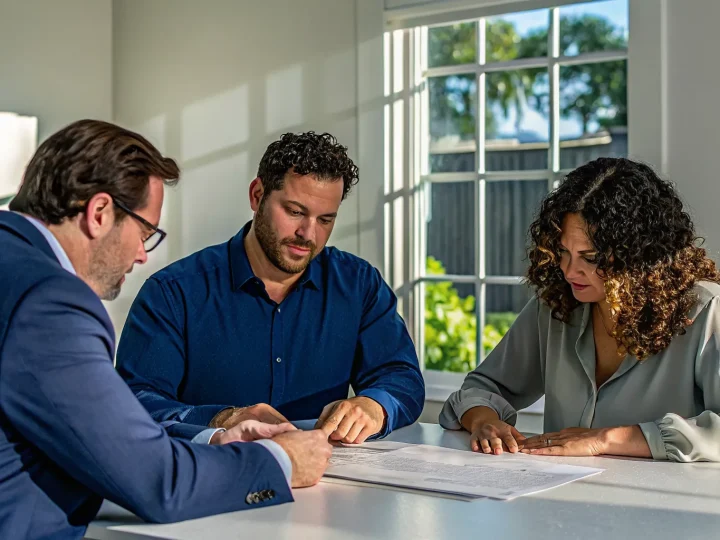

Buying or refinancing a home in South Florida can raise more questions than a simple rate quote can answer. You may be comparing loan types, planning around insurance costs, trying to understand condo rules, or deciding how much cash to keep after closing. That is where a clear guide matters.
Schedule a mortgage consultation with Mortgages Done Right to review your goals before you choose a loan path.
So, what does a mortgage broker do? A mortgage broker helps borrowers understand their financing options, gather the right documents, compare possible loan paths, and move through the application process with less confusion. A broker does not lend money directly. Instead, the broker acts as a guide between the borrower and available mortgage options. Helping explain which paths may fit the borrower’s goals, property type, income profile, and timing.
For South Florida buyers, that guidance can be especially useful. Palm Beach, Broward, Miami-Dade, and St. Lucie borrowers often face local questions about property type, insurance assumptions, condo review, down payment needs, jumbo financing, or investor scenarios. A good consultation turns those moving parts into a more organized plan.
This guide explains the broker’s role, how the process works, what questions to ask, and how to prepare for a productive conversation.
What does a mortgage broker do for South Florida buyers?
What does a mortgage broker do for a buyer who wants clarity before making a major financial decision? The short answer is simple: a broker helps you understand mortgage options, compare possible paths, and organize the loan process from the first conversation through closing. The broker is not the source of the loan. The broker is the guide who helps you review what may fit.
A guide between your goals and your loan options
A mortgage broker starts by learning what you are trying to do. You may be buying your first home, refinancing, purchasing a condo, moving into a larger property, or financing an investment home. Each goal can lead to a different set of questions.
The broker reviews your income, assets, credit profile, down payment plan, property type, and timing. Then the conversation turns to loan options that may match those facts. This is where guidance matters. A borrower should not have to guess which program fits before seeing the full picture.
Help comparing the real tradeoffs
Mortgage choices are not just about one number. The payment, cash needed to close, loan term, mortgage insurance, property taxes, insurance estimate, and fees all affect the decision. A broker can help explain how these pieces work together.
For example, a first-time buyer may want a lower down payment option. A move-up buyer may care more about payment stability. An investor may need to focus on property income and long-term cash flow. The broker’s role is to help translate those goals into a more practical loan discussion.
Local context for South Florida borrowers
South Florida buyers often bring local issues into the mortgage conversation. A Palm Beach buyer may be comparing a single-family home and a condo. A Broward buyer may need to understand timing before making an offer. Miami-Dade and St. Lucie borrowers may have different property prices, insurance assumptions, or commute-driven goals.
Mortgages Done Right focuses on helping borrowers across Palm Beach, Broward, Miami-Dade, and St. Lucie counties make sense of those details. The goal is not to push one answer. The goal is to help you understand your options, ask better questions, and move forward with a clearer plan.
Boca Raton buyers looking for personalized guidance can connect with a trusted Boca Raton mortgage broker who understands the local market.
If you are early in the process, the guide on 8 steps to buying your first home can help you see where mortgage planning fits into the larger purchase timeline.
How the mortgage broker process works from consultation to closing
What does a mortgage broker do once you are ready to buy? The broker helps organize the financing process, from the first talk through closing. A broker does not lend money. Instead, the broker can help you find loan options from different sources. The Consumer Financial Protection Bureau explains this role.
Your first planning conversation
The process starts with a consultation about your goals, budget, property plans, and timeline. This is also the time to share questions about credit, down payment funds, or first-time buyer programs. For a wider view of the purchase journey, review the guide to work with a mortgage broker.
The seven steps to closing
- Discuss your goals. Explain the type of home you plan to buy, your target payment, and your expected timing. Bring up South Florida details, such as a condo purchase, early in the conversation.
- Gather your documents. The broker reviews the records needed for your file. These may include income records, asset statements, identification, and details about your debts.
- Build a pre-approval strategy. The broker looks at your file and discusses loan paths that may fit. A clear plan helps you know what to prepare before you shop for a home.
- Compare loan structures. Review each suitable option, including the loan type, payment structure, cash needed at closing, and fees. Ask questions until the tradeoffs are clear.
- Submit the application. After you choose a path and property, the broker helps organize the application for the lending source. The file then moves through review.
- Respond to conditions. The reviewer may ask for added records or explanations. Send each item soon, and ask the broker if a request is not clear.
- Coordinate toward closing. The broker tracks open items and keeps the process moving toward the closing date. You should know what is still needed and when to act.
Questions to keep the process clear
First-time buyers do not need to know every mortgage term before the consultation. Ask why a loan path may fit, what records remain open, and which deadlines matter next. It is also fair to ask about fees and who pays them. The Consumer Financial Protection Bureau recommends understanding broker fees before you work with a broker.
A practical process should reduce surprises. Keep your records easy to reach, reply to requests promptly, and tell the broker when your finances change. That steady communication helps each stage stay clear as you move toward closing.
Why South Florida borrowing realities make guidance valuable
South Florida borrowers often need to look beyond a basic rate quote. The right loan path can depend on the home, the county, and the borrower’s income pattern. A broker does not lend money. The Consumer Financial Protection Bureau explains that a broker can help borrowers find lenders or mortgage loans.
Insurance and condo questions
Insurance costs can add pressure to a South Florida housing budget. Condo financing can also raise property-specific questions before a borrower chooses a loan path. A useful review looks at the planned purchase as a whole, not only the requested loan amount.
For a condo buyer, early questions may cover the property type, insurance details, and loan options that fit the planned purchase. This is one reason local context matters when borrowers ask what does a mortgage broker do. Clear questions at the start can help set a more practical search.
Loan needs beyond a standard purchase
Some borrowers need to discuss more than a standard home loan. A higher-priced purchase may call for a jumbo loan review. An investment property may raise different questions about the property’s use and the borrower’s goals. These details can change which options are worth exploring.
Income may need a closer look as well. A borrower with seasonal or variable earnings should be ready to explain how income is received. A focused consultation can help organize those facts before loan options are compared. It can also show which records may be useful during the next step.
County-by-county context
South Florida is not one uniform market. A buyer in Palm Beach may bring a different home type, budget, or goal than a buyer in Broward. Miami-Dade and St. Lucie borrowers can also have distinct plans. The point is not to assume that a county decides the answer.
Instead, location belongs in the full borrower conversation. A sound review can include the county, property type, insurance picture, income pattern, and intended use of the home. Borrowers can then discuss a smaller set of relevant loan options with clearer expectations.
What is the difference between a mortgage broker and a direct loan officer?
The short answer starts with access. If you are asking what does a mortgage broker do, look at the path each model offers. A mortgage broker connects a borrower with loan choices from more than one source. A direct loan officer helps a borrower apply through one institution’s lending path.
Different access models
A broker does not lend money. The Consumer Financial Protection Bureau explains that a broker can help a borrower find different lenders or mortgage loans. This model may help when a borrower wants to review several paths before choosing one.
A direct loan officer works within a narrower channel. That model can make sense when a borrower already wants to explore one institution’s available path. Neither model is right for every person. The useful question is whether you want one channel or a broader search.
| Comparison point. | Mortgage broker. | Direct loan officer. |
|---|---|---|
| Access model. | Connects borrowers with loan choices from multiple sources. | Works through one institution’s lending path. |
| Product range. | Reviews options from a wider network. | Reviews options available within one channel. |
| Communication. | Helps coordinate the search and loan process. | Guides the process inside one institution. |
| Cost questions. | Ask about fees and who pays them. | Ask about fees and who pays them. |
| May fit when. | You want to compare paths before choosing. | You want to explore one institution’s path. |
Communication and clear costs
A broker can serve as a central point of contact while options are reviewed. That can be helpful when a loan has more moving parts. In South Florida, buyers may also need to plan around condo questions or property insurance concerns. A direct loan officer keeps communication within one institution’s process.
Ask clear questions before you choose either model. The Consumer Financial Protection Bureau advises borrowers to understand fees and who pays them. Request a plain explanation of costs, timing, documents, and the next step. Clear answers help you compare the full process, not just one detail.
Choosing a practical path
A broker may make sense if you want guidance across several loan paths. That can help first-time buyers, investors, or borrowers with a less simple scenario. A direct loan officer may fit if you prefer to stay within one institution’s process. Your comfort with the available path matters.
Start with your goals, property type, and timeline. Then ask how each person will review options and keep you updated. For a broader view of the process, read about the services of a mortgage broker before your first conversation.
What questions should you ask a mortgage broker?
A useful consultation should leave you with a clear plan, not pressure to decide at once. Bring your goals, a rough budget, and honest questions. The answers can show how the broker approaches your needs and explains each choice.
Loan choices and monthly costs
Start by asking which loan types may fit your purchase, refinance, or investment property. Ask why each option is worth reviewing and what tradeoffs may come with it. If you are new to the process, review first-time home buyer programs in Florida before your meeting.
- Which loan options fit my income, credit profile, down payment, and property plans?
- What payment estimate should I use for planning, including taxes, insurance, and any mortgage insurance?
- Which costs may change before closing, and which costs should appear in my written estimate?
- Are there down payment programs that may fit my situation?
Fees, documents, and timing
Ask how the broker is paid and who pays the fee. The Consumer Financial Protection Bureau says mortgage professionals are usually paid a loan-specific fee or commission. The borrower or lender may pay that cost.
Next, ask for a document list and a realistic timeline. Find out which records are needed now and which requests may come later. If your plans could change, ask how the process differs for a purchase or refinance.
- What documents should I gather before preapproval?
- What are the next steps, and when should I expect updates?
- How do you compare loan options and explain fees?
- What could slow down underwriting or closing?
South Florida property details
Local property details can shape the discussion. Ask how insurance assumptions affect the payment estimate. For a condo, ask which building documents may be reviewed and whether the property could raise financing questions.
Buyers in Palm Beach, Broward, Miami-Dade, and St. Lucie counties may have different goals. An investor may need a different discussion than a first-time buyer. A homeowner may want to explore purchase and refinance loan services without assuming one path is right.
- What insurance estimate are we using for this property?
- Could this condo require added documents or review?
- How would the plan change for a refinance or investment property?
Which loan options can a mortgage broker help you compare?
A mortgage broker can help you compare loan options based on your goals, property type, income, down payment, and timing. The right conversation is not about naming every loan in the market. It is about narrowing the list to paths that may fit your actual situation.
Purchase and first-time buyer options
First-time buyers often need help understanding down payment choices, monthly payment ranges, mortgage insurance, closing costs, and program rules. A broker can explain how these pieces affect the path from preapproval to closing.
Some buyers may want to review conventional options. Others may ask about FHA financing, VA benefits, or programs designed to reduce the upfront cash needed. The best starting point is a full review of your budget and goals, not a guess based on one headline feature.
Mortgages Done Right has resources for first-time home buyer programs in Florida and FHA loan guidance if you want to learn before a consultation.
Refinance, jumbo, and special property needs
Homeowners may use a broker consultation to review refinancing options. The reason could be payment planning, debt structure, a cash-out goal, or a desire to compare terms. A broker can help you weigh the costs and timing before deciding whether a refinance makes sense to explore.
Higher-priced homes may require a jumbo loan review. These loans can involve different documentation and reserve questions. South Florida buyers in luxury or high-cost areas should discuss the property price, down payment, income, and timing early.
Borrowers can also explore jumbo loans in Florida or refinancing solutions before they meet with a mortgage professional.
Investment and nontraditional income scenarios
Investors may need a different loan conversation than someone buying a primary home. Rental income, property type, reserve needs, and long-term goals can all shape the review. Some borrowers may also have income that does not fit a simple pay stub pattern.
A broker can help organize those facts and explain which documents may be needed. That can be useful for business owners, investors, and borrowers who need to discuss bank statements, property income, or other details.
For investors, Mortgages Done Right also provides information on DSCR loans in Florida. Use those guides as a starting point, then bring your full goals to the consultation.
How to prepare for a mortgage broker consultation
A strong consultation starts before the meeting. You do not need to know every mortgage term. You do need to bring clear goals, honest numbers, and the questions that matter most to your decision.
Clarify your goal and timeline
Start with the main reason for the conversation. Are you buying your first home, moving up, refinancing, purchasing an investment property, or comparing options before you decide? A clear goal helps the broker focus the discussion.
Next, think about timing. A buyer who wants to make an offer soon may need a preapproval plan. A homeowner who is refinancing may need to compare the cost of waiting. An investor may need to discuss a property before moving too far into due diligence.
Gather basic financial details
Bring a rough picture of your income, savings, debts, credit situation, and monthly payment comfort zone. You do not need a perfect file at the first call, but the more accurate your numbers are, the better the conversation will be.
Useful records may include recent pay stubs, tax returns, bank statements, retirement or investment account statements, identification, and a list of monthly debts. Self-employed borrowers may need added records. Investors may need lease or property income details.
If you are not sure what applies, ask for a document list. A good next step should feel clear. You should know what to send, why it matters, and when it is needed.
Bring property and local questions
South Florida property details can affect the review. Tell the broker if you are considering a condo, a higher-priced home, a multi-unit property, or an investment property. Share the county and city if you already know where you want to buy.
Ask how insurance assumptions, taxes, association dues, and property type may affect your payment estimate. If the home is a condo, ask whether building documents could matter. If you are buying in Palm Beach, Broward, Miami-Dade, or St. Lucie, ask how local factors may shape the planning conversation.
End the consultation by confirming the next step. You should leave knowing which records to gather, what options are being reviewed, and how to stay in touch while your file moves forward.
Frequently asked questions
What does a mortgage broker do?
A mortgage broker helps borrowers understand mortgage options, compare possible loan paths, organize documents, and move through the application process. A broker does not lend money directly. The broker guides the borrower toward options that may fit the borrower’s goals, property type, income, credit profile, and timeline.
How can a mortgage broker help first-time homebuyers?
A mortgage broker can help first-time buyers understand down payment choices, payment estimates, closing costs, loan terms, and documents needed for preapproval. The broker can also explain the steps from consultation to closing so the buyer knows what to expect before making an offer.
Do I need a mortgage broker to get a loan in South Florida?
You are not required to use a mortgage broker. Many South Florida buyers still choose to speak with one because local property details, insurance assumptions, condo questions, and loan type choices can make the process feel complex. A broker consultation can help organize those questions before you choose a path.
How are mortgage brokers paid?
Mortgage brokers are commonly paid through a loan-specific fee or commission. The borrower or the loan source may pay that cost, depending on the arrangement. Before you move forward, ask for a clear explanation of fees, who pays them, and how they appear in your written estimate.
What should I bring to a mortgage broker consultation?
Bring your goals, timeline, rough budget, income details, asset information, debt list, and questions. If you have a property in mind, bring the address, price, property type, and any association details. If not, the broker can still help you prepare for the next step.
Ready to talk through your mortgage options?
If you are still asking what does a mortgage broker do, the next step is a focused conversation about your own goals. Mortgages Done Right helps South Florida buyers and homeowners compare options, prepare documents, and understand the path ahead with clear, practical guidance.
Whether you are buying in Palm Beach, Broward, Miami-Dade, or St. Lucie, you do not have to sort through every mortgage question alone. Schedule a mortgage consultation and get a clearer plan for your next move.