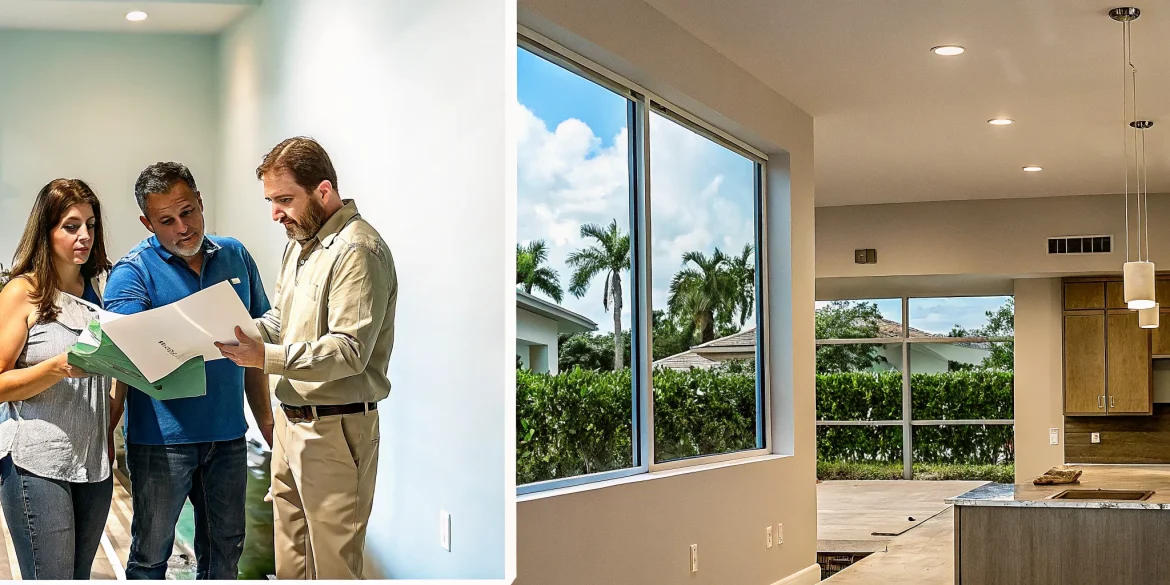
A South Florida fixer-upper can become the right home, but paying for the purchase and repairs separately may put that opportunity out of reach. An FHA 203k loan Florida buyers use can combine both costs into one mortgage.
Schedule a mortgage consultation to discuss your renovation financing plan.
How an FHA 203k loan Florida buyers use works
An FHA 203(k) loan combines a home’s purchase price and eligible renovation costs in one mortgage. The approved repair funds are held in escrow and released as work is completed, while the loan amount considers the property’s expected value after renovation.
Buyers can use this approach for eligible projects such as kitchen remodeling, roof repairs, or major system updates without arranging a separate renovation loan. The right 203(k) option depends on the scope of work, property, budget, and borrower qualifications.
The FHA 203k program lets you buy a home and fix it up with one single loan. Most people think they need two other loans to buy a house that needs work. One loan buys the house and another pays for the repairs.
This program combines those costs into one mortgage with a low down payment. You can use these funds to repair systems like your roof, plumbing, or cooling. You can also make the home easier to use if you have a physical need.
This makes it a great choice for benefits of FHA loans that help first-time buyers. It is a good way to get into a home that needs some love.
Combining buy and repair costs
One of the best parts of this loan is that it saves you time and money. Building loans often have high rates and short terms. They may even have big payments at the end that can be hard to pay back.
The 203k plan gives you a long-term fixed or flexible rate instead. This means your monthly payment stays steady over time. It is much simpler than getting two other loans for your project.
You can find more details on FHA loan options for Florida buyers if you want a handy choice. This helps you plan your budget with ease.
Lenders base the loan amount on what the home will be worth after the work is done. This is called the “after-repair value.” It allows you to get more money than the home is worth now.
You can use this money for kitchen or bath updates and even to add new rooms. The FHA 203k loan program helps buyers turn a fixer-upper into their dream home with less stress.
Limited vs standard options
There are two main types of this loan that Florida buyers should know about. The Limited 203k is for minor repairs that do not involve basic changes. You might use it to paint, buy new gear, or fix a deck.
It is a faster path for homes that just need a little love. You still must follow Florida FHA qualification basics for your credit score and debt levels.
The Standard 203k is for big projects that change the home’s base. This includes moving walls, fixing a base, or adding a full second floor. For these big jobs, you must hire an FHA-approved 203k expert.
This expert helps you plan the work and makes sure it meets safety rules. All building permits must be in place before the work starts on your site.
Why Florida buyers use it
Florida has many older homes that need updates to meet new safety rules. This is very true in areas like Palm Beach, Broward, and Miami-Dade counties. Buyers in these markets often face high home prices and few choices.
Using this loan helps you buy a home that others might skip because it needs repairs. It is also helpful when dealing with local coverage and condo rules. Our team helps you find the best path for your home goals. Individual NMLS# 332209, Company NMLS# 1532755.
Limited vs. Standard 203(k): which fits your project?
Picking the right FHA 203k loan Florida depends on how much work your new home needs. Some houses just need a fresh look. Others need a full rebuild to be safe. The FHA program offers two paths to help you pay for these changes. One path is for small jobs. The other path is for big projects. You can use these loans to buy and fix a home with one monthly payment. This saves time and helps you get into a home that might need some love.
The Limited 203(k) for small fixes
The Limited 203(k) loan is for small fixes. It works best if the home is mostly in good shape but needs minor repairs. You can use it to fix a leaky roof or put in a new kitchen. It also covers new floors, paint, and new tools like a stove or fridge. You cannot use this loan for major work that changes the house frame. It is a great way to use ways FHA financing can support a home purchase for a home that just needs a few updates. This loan is often faster because it has fewer rules for small jobs.
The Standard 203(k) for big jobs
The Standard 203(k) is for big jobs. Use this if you need to move walls or fix the home frame. It is also the right choice if you want to add a new room or a second floor. This loan is often used for houses that are not safe to live in yet. For this loan, HUD requires a 203(k) consultant to help guide the work. This expert checks the plans and makes sure the work follows the rules. They help keep the project on track from start to finish.
Choosing the right loan in Florida
You should think about your goals before you pick a loan. Most Florida buyers want to know about cost and speed. A Limited loan is often faster for simple tasks. A Standard loan can handle more complex work and larger changes. Both loans let you roll repair costs into your mortgage. This helps you avoid high rates from credit cards or other short-term loans. If you are looking at a home in Palm Beach or Broward, we can help. Each city has its own rules for permits and codes. You must have all permits before the work starts on your home. We will look at your repair list and help you find the best fit for your budget. Our team serves South Florida cities from West Palm Beach to Fort Lauderdale. We also help buyers in Miami-Dade and St. Lucie counties. Our goal is to give you clear advice so you can move forward with trust. We want to help you turn a house with issues into the perfect home for your family.
| Feature | Limited 203(k) | Standard 203(k) |
|---|---|---|
| Project Scale | Minor repairs and updates | Major remodel or rebuild |
| Frame Work | Not allowed | Allowed and expected |
| Expert Advice | Not required but optional | Required expert |
| Project Types | Kitchens, floors, and systems | Additions and frame fixes |
| Main Benefit | Fast and simple process | Covers major home issues |
Individual NMLS# 332209, Company NMLS# 1532755.
What renovations can an FHA 203(k) cover?
The FHA 203(k) program is a helpful tool for home buyers in the Florida market. It lets you wrap the cost of a home and its repairs into one monthly payment. Instead of using high-interest credit cards, you can fund your project through a single, long-term loan. This process helps you buy a house that needs work and turn it into the home you want. At Mortgages Done Right Inc. (Individual NMLS# 332209, Company NMLS# 1532755), we aim to make this path clear for your family.
Core repairs and system upgrades
Most people use an FHA 203k loan in Florida to fix the main parts of a house. You can check FHA loan requirements in Florida to see how to start. These funds help you repair or replace old pipes, heat, and air units. It also covers new power systems and roofing repairs. If your home has old wires or a failing roof, this loan can help you fix those issues quickly.
According to HUD guidelines, you can even change a one-family home into a multi-unit place. This works for homes with up to four units. It is a smart way to start a rental group while you fix up your own living space. You can also fix or install new siding and gutters to protect the walls and base of the house from water damage. These upgrades ensure the home meets modern building rules and stays in good shape for years.
Redoing rooms and easy access
A 203(k) loan is a great fit for making a home feel fresh and new on the inside. You can fully redo a kitchen or update old bathrooms to match your own style. This can include new floors, cabinets, and lights. The loan also supports upgrades that make a home easy to use for people with disabilities. You can use the funds to add ramps, widen doors, or change the layout of a room. This helps every member of the family move through the house with ease.
Since the loan amount is based on what the home will be worth after the work is done, you can often fund bigger jobs. This is much better than a standard bank loan that only looks at the current state of a house. You can also finish a basement or attic to add more living space. These interior changes help you build equity fast.
New additions and Florida storm needs
In South Florida, many owners use these loans for specific local needs. You can build a separate guest house, also known as a small home or ADU. You can also add a new room or expand the size of the house to fit a growing family. It is also a smart way to handle Florida’s insurance rules. You can use the funds for storm-ready upgrades to help the home stand up to strong winds. This is a key step for anyone buying in counties like Palm Beach or Miami-Dade.
These changes can help your property meet guide to FHA financing and local condo rules. Always make sure to get all your building permits before the work starts. The 203(k) program requires you to post these permits at the job site. This ensures everything is legal and safe. By planning for these local needs now, you can avoid stress later. Taking these steps helps protect your home and your bank account from surprise costs.
How does the FHA 203(k) process work in Florida?
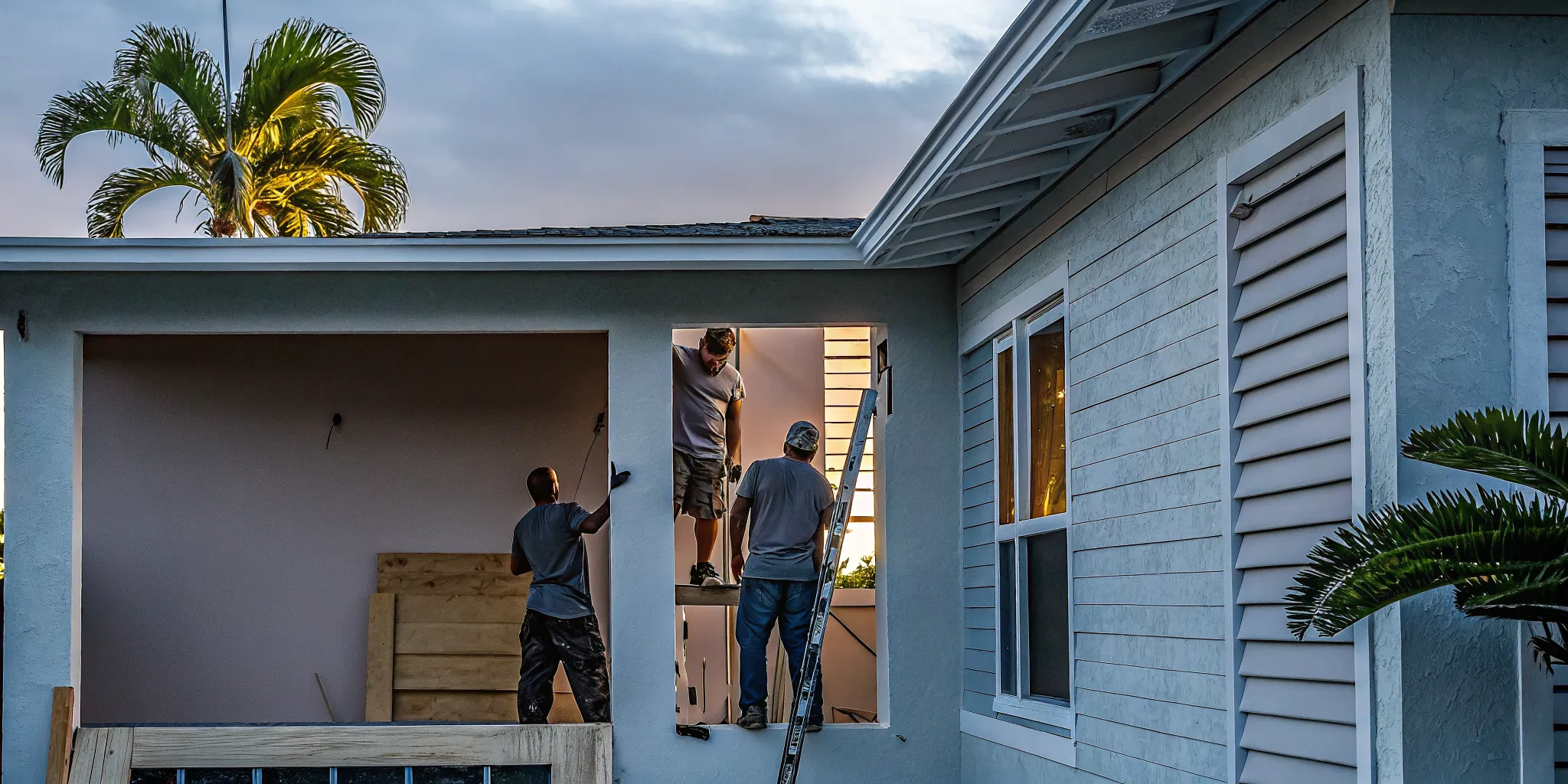
Buying a home that needs work can be a smart move in the South Florida market. But many people worry about how they will pay for the repairs. The FHA 203(k) loan solves this by putting the home price and repair costs into one mortgage. This saves you time because you only have one set of fees and one closing. You can use these funds to finance both the purchase and the repairs of your new house. This path helps you avoid high costs often found with credit cards or short-term loans.
Planning your home repair project
Before you start looking at houses in Palm Beach or Broward, discuss your total purchase and renovation budget with a mortgage professional. Decide whether the project appears suited to a Limited or Standard 203(k), then account for property-specific items such as association rules, insurance, and required permits.
The seven steps to a finished home
The FHA 203(k) process in Florida follows a clear path from start to finish. Following these steps helps keep your project on track and within budget. Each step is set up to protect both you and the lender. By doing things in the right order, you can make sure the work gets done well and on time. This is why many buyers pick the FHA 203k loan Florida option for fixer-uppers.
- Get pre-approved. Talk to a lender to find out how much you can borrow. This step helps you search for homes you can afford while leaving money for repairs. It is helpful to review requirements for an FHA mortgage to see if you fit the base program first.
- Find a house. Look for a home that fits your needs but needs some work. Once you find a house, you will make an offer just like a normal buy. Make sure your contract says you are using a 203(k) loan. First-time buyers can also review the eight steps to buying your first home before making an offer.
- Pick your contractors. You must find licensed pros to do the work. They will need to give you clear bids that show exactly what they will do and how much it will cost. It is often best to get at least three bids. This helps you make sure the price is fair for the market.
- Work with a consultant. If you choose a Standard 203(k) loan, you must hire an FHA-approved consultant. This pro looks at the home and writes a report on the needed repairs and costs. They help make sure the house will be safe and sound once all the work is finished.
- Get an appraisal. A pro will value the home based on how it will look after all the work is done. This is great for buyers because it lets you borrow against the future value of the property. This “after-repair value” is a key part of how much you can borrow.
- Close on the loan. Once your loan is approved, you will sign the final papers. The money to buy the home goes to the seller, and the repair money goes into an escrow account. You are now the owner and the work can begin.
- Start the work and manage draws. Your contractors can begin the repairs. As they finish each part of the job, they get paid from the escrow account after a pro checks the work. This keeps the project moving and ensures that the work meets all FHA standards.
Staying on track in Florida
Florida weather and local building rules can impact your timeline. It is vital to get all your permits before the work starts. The law says these permits must stay on the job site for everyone to see. You should also stay in close touch with your lender and your contractor. Since the 203(k) loan covers your repairs, you do not have to worry about finding more money halfway through the job.
As your project wraps up, a final check will make sure everything was done as planned. Any money left in the repair account will go back toward your loan balance. This process helps you build value in your home right away. With the right help, the FHA 203k loan Florida process can turn a fixer-upper into the home you want. Our goal is to give you the clarity you need to make the best choice for your family.
Talk with Mortgages Done Right about the financing and renovation budget before you apply.
Requirements and costs buyers should understand
Rules for buyers and homes
To use an FHA 203k loan Florida, you must meet a few rules. Most people need a credit score of at least 580. This helps you get a low down payment of 3.5 percent. If your score is lower, you might need to put more cash down.
These Florida FHA borrower guidelines help many folks buy homes. You must also show a steady job and low debt. Our team can help you see if you are ready to apply for this loan.
The home must also meet FHA rules. It must be your main house, not a rental or a flip. You can use this loan for a house, a townhome, or some condos. In South Florida, condo rules can be tough, so we can check the rules for you first.
This loan can also help you turn a one-unit house into a four-unit building. You could live in one part and rent out the rest to others. You can even build a small guest house on your lot with these funds.
Pro help and value checks
The FHA has strict rules for any fix-up work. You cannot do the work yourself unless you are a pro. You must hire a licensed person to do the jobs. They must give a full bid for all the work before you start.
This bid shows the price of parts and the cost of labor. The HUD program rules say you must get all permits before you start. This keeps your home safe and meets local laws in your county.
The appraisal is also a bit different for this loan. A pro will look at the house as it is now. They also look at your plans for the new work. They will guess the value of the home once the work is done.
This value lets you borrow more than the current home price. It helps you pay for the house and the fix-up in one loan. A 203k expert can help guide you through these steps for big projects.
Loan caps and monthly costs
There are caps on how much you can borrow. These loan limits change by county in Florida. Caps in Miami-Dade or Broward may be higher than in other spots. It is wise to check the limits for your area now.
These caps cover the home price and the work costs. Using FHA financing overview helps you plan well. We can show you how these caps fit your budget for a new home.
You must also plan for mortgage insurance. All FHA loans have an upfront fee and a monthly cost. These fees protect the bank if you cannot pay the loan back. This cost stays for the life of the loan most of the time.
You will also have closing costs. These are fees for the bank, the title, and the value check. We want to show you all costs early on. Individual NMLS# 332209, Company NMLS# 1532755.
Is a renovation loan right for your Florida purchase?
Choosing an FHA 203k loan Florida buyers can use depends on your goals, timeline, and comfort managing a renovation. It may suit a buyer who sees potential in a fixer-upper, but it involves more coordination than purchasing a move-in-ready home.
The need for a longer timeline
A renovation loan takes more time than a standard home buy. You must find a house and then plan the work right away. You will need bids from workers and a clear list of repairs. The FHA 203k program requires you to finish all work within a set time. This means you cannot just do the work as you have spare cash over many years. You must be ready for a longer wait before you can live in the home. Most of these loans take 45 to 60 days to close because of the extra forms and checks.
If you need to move fast, this might not be the best choice. A standard loan closes much quicker. You should check the standard FHA loan requirements to see if a regular loan fits your needs better. Renovation loans are for those who can wait to get the best result. You must have a place to stay while the work happens.
Working with Florida builders
Finding the right help is key to a good result. You must work with licensed and insured workers who know the FHA rules. In South Florida, you also have to think about local rules for wind and flood zones. All building permits must be on-site before any work starts. This adds another layer of planning to your plate. Managing these workers takes time and clear talk. You will need to check on the work often to stay on track.
It helps to find workers who have done FHA projects before. They will know how the payment steps work. The bank pays them in stages as they finish the tasks. If a worker needs all the cash upfront, they cannot do an FHA job. You are the bridge between the bank and the builder. This role can feel like a part-time job for a few months. But it gives you total control over how your home is built.
Planning for surprises
Old homes in Florida can hide many secrets. You might find mold or old wiring once the walls come down. These loans include a fund for extra costs to help with these surprises. You must still be ready for the stress of new finds. You will need to make many choices about paint, floors, and lights. Each choice can change your budget and your move-in date.
Think about the time and decisions you can realistically manage. A renovation loan may help you improve a property around your needs, but a move-in-ready home may be simpler if you want fewer variables. Weigh the coordination against the result before deciding. For more guidance, our team is here to help (Individual NMLS# 332209, Company NMLS# 1532755).
Questions to ask before applying
An FHA 203k loan in Florida is a strong tool for buyers who want to fix up a home. But it has more steps than a normal loan. You need to know the full plan for your project before you start the work. Asking the right questions now can help you avoid slow-downs later on.
Borrowing for your repair job
First, you must ask how much you need to borrow for both the home and the fix-up. These loans combine the home price and the repair costs into one monthly payment. This helps you get flexible FHA financing options with a single closing. Your total loan must stay within the FHA limits for your Florida county. The federal 203k program uses the value of the home after all work is done to set your loan amount.
Choosing your builders
Who will do the work on your house? You cannot often do the labor yourself on these projects. You must hire licensed pros who can finish the job on time. Ask your builder if they have worked with these loans before. They will need to give your lender a clear bid. For a Standard 203k loan, you also must work with a 203k consultant. This pro helps you check the work and plan the budget.
Home and project limits
What kind of repairs does the home need? You should know if your project is a Limited or Standard type. The Limited loan is for small jobs that do not need big changes to the frame. A Standard loan covers big tasks like moving walls or adding rooms. You can even use these funds to make a home easy for all to use. Make sure your plans meet local Florida building codes and condo rules before you apply.
Building a clear timeline
How long will the work take? You must have a clear plan for when each task starts and ends. Florida weather and permit times can change your schedule. You must get all building permits before the work begins. Once you close on the loan, you often have about six months to finish the project. Talk to your team about how to keep the work moving so you stay on track.
Handling draws and payments
How will your builder get paid? These loans use a draw system to send money as work gets done. The lender holds the repair funds in a safe account. When a part of the job is finished, the lender sends a check to the builder. This keeps the project safe and makes sure the work is good. Ask your lender how many draws they allow so you and your builder can plan your cash flow.
Planning for extra costs
What happens if things cost more than you thought? Every repair project needs a safety net. You must set aside some of your loan for surprise costs. This is called a backup fund or a contingency reserve. Most projects need a fund of 10 to 20 percent of the repair cost. This money stays in the loan but only gets used if a problem comes up during the build. If you do not use it, it goes back toward your loan balance.
Individual NMLS# 332209, Company NMLS# 1532755.
Frequently Asked Questions
Can I use an FHA 203(k) loan to refinance my current home?
Yes, you can use this loan to refinance your home while you pay for new repairs. This plan lets you join your old mortgage and the cost of home fixes into one monthly bill. It is a great way to update your house without taking out a new loan or using high-interest credit cards. As HUD says, you can use these funds for fixing up rooms or repairs. You can also make storm-ready changes to keep your Florida home safe from wind damage.
Are swimming pools eligible improvements for an FHA 203(k) loan?
You cannot use FHA 203(k) funds to build a new swimming pool since the FHA sees them as luxury items. But if your Florida home already has a pool that needs work, you can use the loan to fix it. This work can include fixing the liner, repair of pumps, or making safety changes. This helps you keep your home in good shape while meeting local rules. Other luxury items like fire pits or tennis courts are also not set under this federal plan.
Do I need to hire a 203(k) consultant for my Florida project?
If you need a consultant depends on the type of loan you choose for your project. If you apply for a Standard 203(k) loan for big work, you must hire an FHA-approved expert to watch the job. For a Limited 203(k) loan, which covers small fixes under 35,000 dollars, an expert is not needed but can still be helpful. These pros help you plan the work, check the bids from builders, and make sure the house meets all rules before you close.
Can I buy a multi-unit property with an FHA 203(k) loan?
Yes, you can use an FHA 203(k) loan to buy a property with up to four units. This plan lets you live in one unit while you fix up and rent out the other spaces. It is a smart way to build wealth and pay for your own home through rental income. You must still follow all FHA rules for your county. The home must also be your main house for at least one year after the work is done.
Ready to start your Florida home renovation project today?
Putting off repairs can lead to more damage and higher costs if you wait too long. Many buyers miss out on deals because they worry about how to pay for updates. You can avoid these problems by using an FHA 203(k) loan to buy and fix your home with one rate. Starting now means you can move into a finished home sooner and build value fast. Taking the first step today gives you time to find a pro and plan your project. This path helps you lock in your budget before market prices or building costs go up.
Schedule a mortgage consultation
Talk with a local mortgage professional about your property, renovation scope, and financing options. Individual NMLS# 332209, Company NMLS# 1532755.