
Florida condo mortgage requirements apply to both the borrower and the condominium project. A lender may review the buyer’s finances alongside the association’s reserves, inspections, insurance, litigation, and known repairs. Requesting those records early can uncover issues before they delay financing or change the cost of ownership.
Apply now to discuss your Florida condo financing options.
To finance a Florida condo, a buyer generally must qualify for the selected loan program and the condominium project must pass the lender’s review. The project review commonly covers structural reports, reserve funding, master insurance, association finances, special assessments, owner delinquencies, litigation, and occupancy. Exact requirements vary by loan program and property, so buyers should obtain association documents before making firm financing assumptions.
Florida condo mortgage requirements at a glance
Florida condo mortgage requirements involve two connected decisions: whether the borrower can support the mortgage and whether the project is eligible under the chosen loan program. A well-qualified borrower may still encounter financing problems if the building has unresolved structural concerns, insufficient insurance, weak reserves, or significant unfunded repairs.
Borrower and project review process
The borrower review usually considers income, employment, assets, credit, debts, intended occupancy, and down payment. Requirements differ for a primary residence, second home, or investment property. A smaller down payment may be available under some programs, but it does not remove the need for an acceptable project review and may introduce mortgage insurance or other conditions.
The project review examines risks shared by every owner. Lenders may request an association questionnaire, budget, reserve statements, insurance declarations, inspection reports, and information about repairs or legal disputes. Buyers using first-time homebuyer programs in Florida should ask whether the intended loan program has specific condo eligibility rules.
Safety and health checks
Structural condition and association finances are closely connected. An inspection may identify necessary work, while the reserve study and budget show whether the association has a credible way to pay for it. A lender may pause or decline a project when serious issues are unresolved or the funding plan does not satisfy its guidelines.
Florida’s updated condo laws increased attention on building safety, reserves, and disclosure. Florida Realtors summarizes recent condo requirement changes, but a buyer should still review the actual records for the specific association.
How association reserves affect condo financing
Association reserves affect financing because they help show whether a condo can pay for major shared repairs without relying entirely on future special assessments. Lenders compare the budget, reserve study, cash balances, and known projects to determine whether the association appears financially prepared.
Why lenders look at condo budgets
Condo owners share responsibility for roofs, structural components, elevators, plumbing, exterior maintenance, and other common elements. If an association has not budgeted for predictable replacement costs, owners may face substantial assessments. Those new obligations can affect a buyer’s ability to afford the unit and can make the project riskier for a lender.
A budget review may consider reserve contributions, operating income and expenses, owner delinquencies, existing assessments, and planned capital work. A lender may also compare the budget with meeting minutes and inspection reports to identify costs that have been discussed but not yet funded.
New Florida rules for reserve funds
A Structural Integrity Reserve Study, commonly called a SIRS, evaluates specified building components and estimates the reserve funding needed for their future repair or replacement. Florida law sets requirements based on factors such as building type, age, and component condition. Because legal obligations can change, buyers should confirm the association’s current requirements with qualified legal or association professionals.
For mortgage purposes, the existence of a study is only part of the analysis. The lender may review its findings, the association’s response, and whether the budget supports the recommended work. A completed report can still raise financing questions when it identifies major repairs without a clear funding plan.
How unfunded repairs block your loan
Unfunded repairs create uncertainty about both the building and the owner’s future costs. A lender may require evidence that repairs are complete, contracts are in place, or sufficient funds have been collected. Guidelines differ, so a stated repair amount should not be treated as an automatic rule for every mortgage.
Ask who is responsible for the work, how it will be paid, whether an assessment has been approved, and when construction will finish. A mortgage professional can then compare the facts with the available loan programs before the buyer spends heavily on inspections, appraisal, or other transaction costs.
What are milestone inspections and reserve studies?
Milestone inspections evaluate an older condo building’s structural condition, while a Structural Integrity Reserve Study estimates the funding needed for specified shared components. Lenders may review both reports to understand whether identified repairs, reserve funding, or special assessments could affect project eligibility.
The purpose of milestone inspections
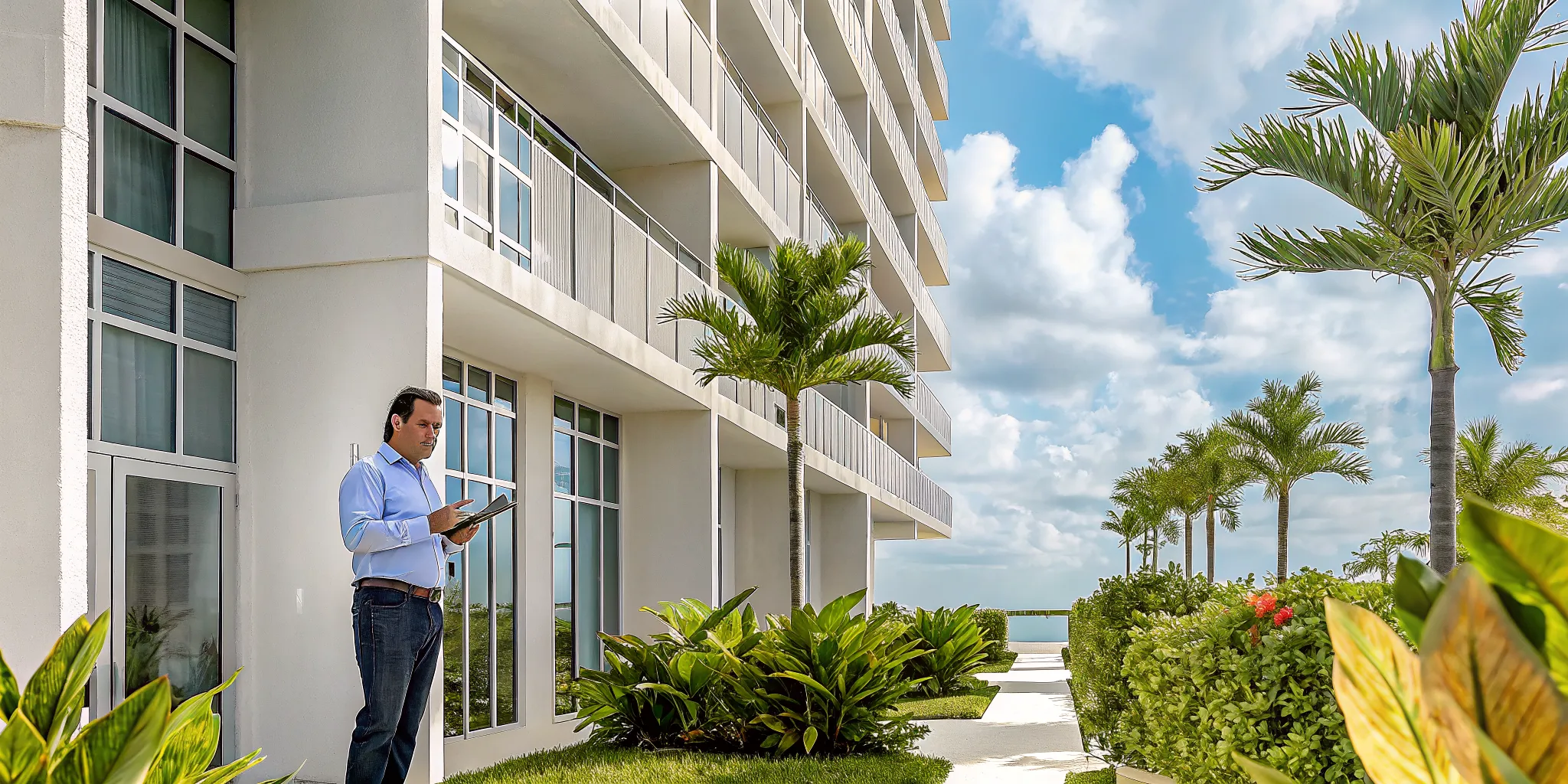
A milestone inspection is a structural examination required for certain older condominium and cooperative buildings. Its purpose is to identify substantial structural deterioration and determine whether further evaluation or repairs are needed. The Florida milestone inspection statute explains the legal framework and reporting obligations.
Buyers should request the complete report, not merely confirmation that an inspection occurred. Review the conclusions, recommended work, completion evidence, engineer correspondence, and board response. An inspection that identifies concerns may lead a lender to request additional documentation before deciding whether the project meets its guidelines.
Structural integrity reserve studies
A SIRS focuses on the remaining useful life and estimated replacement cost of specified common elements. It helps an association plan contributions for future work rather than waiting until a component fails. Buyers should compare the study with the current budget and reserve statements to see whether the association is following the funding plan.
The study does not guarantee that costs will remain unchanged. Construction prices, insurance conditions, hidden damage, and project timing can alter the final expense. However, the study gives buyers and lenders a more informed basis for evaluating the association’s preparation.
| Feature | Milestone Inspection | Reserve Study (SIRS) |
|---|---|---|
| Primary purpose | Evaluate structural condition | Estimate future component costs |
| Main output | Findings and repair recommendations | Funding schedule and reserve estimates |
| Buyer question | Were concerns found and resolved? | Is the association funding the plan? |
| Lender concern | Safety and unresolved repairs | Financial readiness for major work |
How these reports affect your loan
Lenders may use these reports to decide whether the condo project is eligible, whether more documents are needed, or whether repairs must be addressed first. The result depends on the report findings and the selected loan program. The same building may not receive the same decision from every program.
Reports should be requested early because follow-up can take time. Property managers, boards, engineers, insurers, and contractors may all hold different parts of the record. A buyer who understands the open questions can make a better-informed decision about deadlines and financing contingencies.
Which insurance documents may a lender review?
A lender may review the association’s master policy, property and liability coverage, windstorm and flood documents when applicable, deductibles, replacement-cost provisions, and the buyer’s HO-6 policy. The goal is to determine whether the property and relevant risks have coverage that satisfies the loan program.
Building-wide master policies
The association’s master policy generally covers shared structures and common elements, but the exact scope depends on the policy and governing documents. A lender may request declarations, endorsements, evidence of premium payment, coverage limits, and the insurer’s rating. Coverage that is expired, insufficient, or unclear can delay review.
Common documents or coverage areas include:
- Property coverage for the building and common elements.
- Windstorm or hurricane coverage applicable to the project.
- General liability and fidelity or crime coverage when required.
- Flood coverage and flood-zone documentation when applicable.
- Policy deductibles, exclusions, endorsements, and renewal dates.
South Florida projects can have complex wind and flood exposure. Buyers considering a condo in Palm Beach County should ask for current insurance records early enough to resolve any missing endorsements or coverage questions.
Individual unit owner protections
A buyer may need an HO-6 policy for finishes, personal property, liability, and other unit-level risks not covered by the master policy. The lender and insurance professional can explain the required coverage and how it should coordinate with the association’s policy.
If the unit is in a designated flood hazard area, the lender may require appropriate flood documentation and coverage. Do not assume the association’s policy covers every unit-level exposure. Ask an insurance professional to explain the boundary between master and individual coverage.
Insurance deductibles and gaps
Large deductibles can create a financial obligation for the association and its owners after a claim. A lender may evaluate deductible amounts, available association funds, and loss-assessment coverage. Exclusions or gaps can also matter when the policy does not clearly cover a material project risk.
Insurance should be reviewed as both a qualification issue and an ownership-cost issue. Even when the documents satisfy a lender, the premium, deductible exposure, and possible assessment should be included in the buyer’s budget.
How does the condo lender review process work?
The condo lender review usually runs on two tracks: underwriting the buyer and reviewing the project. The lender gathers borrower documents while requesting association records, then compares both sets of information with the chosen loan program’s requirements before issuing a final decision.
The project review phase
The project review often begins with a condo questionnaire completed by the association or management company. It may address unit counts, occupancy, commercial space, owner delinquencies, litigation, assessments, structural concerns, and insurance. The lender then requests supporting records for any answer that needs clarification.
Budget, reserve, inspection, and insurance reviews may reveal follow-up questions. For example, meeting minutes may mention a repair that does not appear in the budget, or an inspection may reference work that lacks completion evidence. Clear, consistent documents can make the review more efficient.
Your loan review
At the same time, the lender reviews the buyer’s income, assets, credit, debts, occupancy, and funds needed to close. Association dues, insurance, taxes, and known assessments may affect the monthly housing expense and debt-to-income calculation. A change in those costs can change the buyer’s available options.
Down payment alone does not determine eligibility. A buyer with substantial funds may still need an eligible project, while an eligible project does not guarantee that every borrower will qualify. Financing options should be evaluated using the complete borrower and property profile.
Time and final steps
Timing depends heavily on how quickly the association supplies complete records and responds to questions. Buyers should ask about document fees and turnaround times before setting a short financing deadline. The lender may also require updated documents if policies renew or project conditions change before closing.
Once the borrower and project reviews satisfy the program, the loan can proceed through the remaining underwriting and closing steps. Approval is never automatic, so buyers should preserve appropriate contract protections and promptly provide requested information.
What documents should a Florida condo buyer request?
A Florida condo buyer should request the latest milestone inspection, SIRS, association budget, reserve statements, master insurance documents, special assessment notices, recent meeting minutes, governing documents, and lender questionnaire. Together, these records show the project’s physical condition, financial preparation, and potential ownership obligations.

Structural and safety records
Request complete reports and supporting correspondence for inspections, reserve studies, repairs, permits, and engineer recommendations. Buyers seeking local guidance can review financing resources for Broward County condo purchases or Palm Beach County condo purchases.
- Milestone inspection: Read findings, required follow-up, and repair status.
- Structural Integrity Reserve Study: Compare recommendations with actual reserve funding.
- Current budget and reserve statements: Review contributions, balances, and planned spending.
- Master insurance documents: Confirm current coverage, deductibles, exclusions, and renewals.
- Special assessment notices: Identify approved, proposed, and recently discussed assessments.
- Meeting minutes: Look for repairs, claims, litigation, budget changes, and owner concerns.
- Condo questionnaire: Confirm the lender receives complete and consistent project details.
Financial and legal health
Review delinquency levels, pending litigation, insurance claims, vendor contracts, and any loans owed by the association. Litigation does not always prevent financing, but the lender may need to understand the amount, subject, insurance coverage, and potential effect on the association.
Also review rental restrictions, leasing activity, and commercial use because some loan programs evaluate occupancy and project composition. A qualified real estate attorney can explain the governing documents and legal obligations; a mortgage professional can explain how documented facts may affect financing.
How can buyers prepare for a smoother condo loan review?
Buyers can prepare for a smoother condo loan review by selecting a loan program early, requesting association records immediately, tracking unresolved questions, and keeping personal financial documents current. Early review cannot guarantee approval, but it can reduce avoidable surprises.
Request board papers right away
Ask the association or property manager for its document package as soon as a property becomes a serious option. Confirm who completes lender questionnaires, what the fees are, and how long delivery usually takes. Missing or inconsistent records should be raised before critical contract deadlines.
Review the milestone check report
Read the full inspection and any follow-up report. Determine whether recommended repairs were completed, funded, or still under review. If technical language is unclear, consult an appropriate licensed professional rather than relying only on a summary from the seller or board.
Watch for money risks and special bills
Compare known assessments and proposed work with your total housing budget. Ask whether the seller will pay any assessment, whether payments continue after closing, and whether another assessment is being discussed. A lender may include applicable obligations when evaluating affordability.
Keep your personal files ready
Keep recent pay statements, bank statements, tax records when required, insurance quotes, and explanations for unusual deposits available. Avoid major new debts or unexplained financial changes during underwriting. Prompt responses help the lender focus on project questions that may require more time.
Frequently Asked Questions
Why has condo financing become more difficult in Florida?
Florida condo financing involves more documentation because lenders evaluate updated structural, reserve, insurance, and project-finance risks along with the borrower. These reviews can reveal unresolved repairs or costs that affect project eligibility and buyer affordability.
How do milestone inspections affect condo mortgage eligibility?
A milestone inspection may affect eligibility when it identifies substantial structural concerns, required repairs, or missing follow-up. A lender may request more evidence or determine that the project does not currently satisfy a particular program’s guidelines.
Can I buy a Florida condo with a 10% down payment?
A 10 percent down payment may be possible, depending on the loan program, occupancy, borrower qualifications, and condo project eligibility. Buyers should obtain a personalized review rather than assuming a specific down payment guarantees financing.
What are the key project approval requirements for Florida condo loans?
Requirements vary, but lenders commonly review reserves, association finances, insurance, structural reports, repairs, assessments, litigation, delinquencies, occupancy, and commercial space. The project and borrower generally must both satisfy the selected program.
Ready to discuss your Florida condo purchase?
Early document review can help you understand whether a condo’s condition, association finances, insurance, and assessments fit your financing plan. Mortgages Done Right Inc. can help you explore mortgage options for a South Florida condo purchase without promising a particular approval or outcome.
Apply now to discuss your condo financing options.