
There’s a lot of chatter out there about VA loans, and frankly, much of it is wrong. You might have heard they’re difficult to get, only for first-time buyers, or come with hidden costs that make them less appealing. These myths can stop deserving veterans and service members from using a benefit they’ve earned through their dedication. My goal here is to set the record straight. This program is more flexible, powerful, and accessible than you might think. We’re going to debunk the common misconceptions and give you the real facts about the process, the costs, and the incredible va home loan benefits that can make your dream of homeownership a reality.
Start Your Home Loan Journey Today
Get pre-qualified in minutes and take the first step toward owning your dream home with expert guidance.
Key Takeaways
- Save money upfront and every month: A VA loan makes homeownership more affordable by allowing you to buy a home with no down payment and completely avoiding the extra monthly cost of private mortgage insurance (PMI).
- This isn’t a one-time benefit: You can use your VA loan eligibility multiple times throughout your life; by selling a home and paying off the loan, you can restore your full entitlement to use for your next home purchase.
- The program is designed for your success: From a straightforward application process to unique assistance programs that help if you face financial hardship, the VA loan is structured to support you as a homeowner from start to finish.
What Is a VA Home Loan?
If you’ve served in the military, a VA home loan is one of the most valuable benefits available to you. So, what exactly is it? Think of it as a thank you for your service, designed to make homeownership more accessible. These loans aren’t issued directly by the U.S. Department of Veterans Affairs. Instead, private lenders like banks and mortgage brokers provide the financing, and the VA guarantees a portion of the loan. This government guarantee reduces the risk for lenders, which is why they can offer incredible terms you won’t find with other loan types.
This program helps active-duty service members, veterans, and eligible surviving spouses buy, build, or even repair a home. The guarantee from the VA is what makes it possible for lenders to offer benefits like no down payment and no private mortgage insurance, which we’ll get into later. For many military members and their families, a VA loan is the key that opens the door to their dream home, making the process smoother and more affordable. It’s a fantastic opportunity to put down roots and build a future.
Who Is Eligible for a VA Loan?
Eligibility for a VA loan depends on a few key factors, primarily your service history. The VA has specific guidelines based on when and how long you served. Beyond your military service, lenders will also look at your financial picture. You’ll generally need to have a reasonable credit history and enough income to comfortably cover your monthly mortgage payments and other household expenses.
The most important document you’ll need to get started is your Certificate of Eligibility (COE). This official paper from the VA confirms to the lender that you qualify for the VA home loan benefit based on your service. Don’t worry if you don’t have it yet; a good lender can often help you obtain your COE as part of the application process.
A Look at Service Requirements
The service requirements for a VA loan are designed to cover a wide range of military personnel. Generally, you may be eligible if you met certain minimum service requirements during wartime or peacetime. This includes veterans who were honorably discharged and active-duty service members who have served for at least 90 continuous days.
Eligibility has also expanded over the years. For example, members of the National Guard and Reserves are eligible after six years of honorable service. More recently, eligibility was extended to National Guard members who have at least 90 days of active service, with at least 30 of those days being consecutive. The goal is to ensure that those who have served our country have a clear path to homeownership.
VA Loan Eligibility for Surviving Spouses
The VA loan benefit can also extend to the surviving spouses of military members. This is a critical provision that provides stability for families who have made the ultimate sacrifice. You may be eligible for a VA home loan if you are the un-remarried spouse of a veteran who died in service or from a service-connected disability.
Additionally, spouses of service members who are missing in action or are prisoners of war may also be eligible. The VA recognizes the unique challenges these families face and provides access to the home loan benefit to help them secure housing. If you fall into this category, you can use the benefit to purchase a home with the same great terms, including no down payment.
The Key Benefits of Choosing a VA Loan
If you’re an eligible veteran, service member, or surviving spouse, a VA loan isn’t just another mortgage option; it’s a benefit you’ve earned. This program was designed to make homeownership more accessible for those who have served our country. The advantages are significant, offering financial perks that you won’t typically find with other types of loans. From eliminating the need for a down payment to keeping monthly costs low, VA loans provide a powerful and supportive path to owning your own home. Let’s walk through some of the standout benefits that make this program so valuable.
Zero Down Payment Required
One of the biggest hurdles to buying a home is saving up for a down payment. For many, this can take years. The VA loan program addresses this head-on by allowing most qualified borrowers to purchase a home with zero money down. This is a game-changer, as it means you can move forward with your homeownership goals much sooner. While the VA itself doesn’t require a down payment, it’s good to know that some lenders might have their own specific requirements based on your financial situation. You can learn more about the program directly from the U.S. Department of Veterans Affairs.
No Private Mortgage Insurance (PMI)
With most conventional loans, if you put down less than 20%, you’re required to pay for private mortgage insurance, or PMI. This is an extra monthly fee that protects the lender, not you, in case you default on the loan. With a VA loan, there is no PMI, ever. Even if you finance 100% of the home’s value with no down payment, you will not have this added expense. This can save you hundreds of dollars every month and thousands over the life of your loan, making your mortgage payment significantly more affordable from day one.
Competitive Interest Rates
Because the federal government guarantees a portion of every VA loan, lenders view them as less risky. This reduced risk is passed on to you in the form of highly competitive interest rates. Often, the rates for VA loans are lower than those for conventional or even FHA loans. A lower interest rate doesn’t just mean a smaller monthly payment; it also means you’ll pay less in total interest over the entire loan term. This benefit helps keep homeownership affordable and allows your money to go further.
Flexible Credit Guidelines
The VA loan program is designed to be accessible. While you still need to demonstrate that you can handle the financial responsibility of a mortgage, the credit requirements are generally more flexible than for other loan types. The VA doesn’t set a minimum credit score, leaving that decision to individual lenders. However, lenders who offer VA loans often have more lenient credit and income guidelines compared to what you’d find with a conventional loan. This flexibility opens the door to homeownership for many veterans who might not otherwise qualify.
Capped Closing Costs
Closing costs are the various fees you pay to finalize your mortgage, and they can add up quickly. The VA provides another layer of protection for borrowers by limiting the closing costs that lenders are allowed to charge. The VA specifies which fees are allowable for the veteran to pay and which ones are not. This regulation prevents you from being charged excessive fees and makes the homebuying process more transparent and predictable. It’s one more way the program ensures that purchasing a home remains affordable for service members and their families.
No Penalties for Early Payoff
Some mortgage types come with a prepayment penalty, which is a fee charged if you pay off your loan ahead of schedule. VA loans give you the freedom to pay off your mortgage as quickly as you’d like without any extra fees. Whether you want to make extra payments each month, put a bonus toward your principal, or pay off the entire loan after a few years, you can do so without worrying about being penalized. This flexibility allows you to build equity faster and save a significant amount on interest over the long run.
What Types of VA Loans Are Available?
One of the best things about the VA loan program is its flexibility. It’s not a single, rigid product but a collection of tools designed to support you at different stages of your homeownership journey. Whether you’re buying your first house, need to tap into your home’s equity, or want to lower your monthly payment, there’s likely a VA loan option that fits your goals. Understanding these different types can help you make a smart financial decision that serves you and your family for years to come. Let’s walk through the main options available.
VA Purchase Loans
This is the loan most people think of when they hear “VA loan.” It’s designed to help you buy a home with no down payment. According to the Department of Veterans Affairs, these home loans help veterans, service members, and eligible surviving spouses buy, build, repair, or even modify a home for their occupancy. This is your go-to option for purchasing a primary residence, whether it’s a single-family home, a condo, or a multi-unit property (as long as you live in one of the units). It’s the foundational benefit that has helped millions of veterans achieve the dream of homeownership.
VA Cash-Out Refinance Loans
If you already own a home and have built up some equity, a VA Cash-Out Refinance can be a powerful financial tool. This loan allows you to refinance your existing mortgage (whether it’s a VA loan or another type) and take cash out of your home’s value. You can use the funds for just about anything, from paying off high-interest debt and covering education costs to making home improvements. It’s a strategic way to leverage the asset you’ve been building. Our team can help you explore your refinancing solutions to see if this makes sense for your situation.
Interest Rate Reduction Refinance Loans (IRRRL)
Also known as a “Streamline Refinance,” the IRRRL is designed for one simple purpose: to help you get a lower interest rate on your existing VA loan. The process is often much faster and requires less paperwork than a typical refinance because you’re not taking cash out. As the VA notes, the goal is to help veterans obtain a lower rate. If interest rates have dropped since you first bought your home, an IRRRL could lower your monthly mortgage payment and save you a significant amount of money over the life of your loan.
Energy Efficient Mortgages (EEM)
Did you know your VA loan can help you go green and save money? An Energy Efficient Mortgage (EEM) allows you to finance the cost of energy-efficient improvements right into your loan. This could include things like new insulation, thermal windows, or an updated HVAC system. The idea is that these upgrades will help reduce your monthly utility costs, making your home more affordable in the long run. It’s a fantastic, often overlooked benefit that can improve your home’s comfort and efficiency, as highlighted by VA News.
Understanding the Costs of a VA Loan
While the zero-down-payment feature is a huge plus, it’s helpful to know about the other costs associated with a VA loan. The good news is that these loans are designed to be affordable and accessible for those who have served. Unlike conventional loans that often come with private mortgage insurance (PMI) if you put down less than 20%, VA loans don’t have this requirement, which is a major monthly saving. Instead, most borrowers will pay a one-time funding fee. Let’s walk through what that means for you and how VA loans often prove to be more affordable in the long run.
What Is the VA Funding Fee?
The VA funding fee is a one-time payment made to the Department of Veterans Affairs. This fee helps keep the VA home loan program running for future generations of service members and veterans. The exact percentage depends on your service type, down payment amount, and whether it’s your first time using the benefit. Don’t worry about having to pay this all at once at closing. For most borrowers, the most convenient option is to roll this fee into the total loan amount, which means you won’t have to pay for it out of pocket. It’s simply added to your mortgage balance and paid off over time.
Who Is Exempt from the Funding Fee?
Not everyone has to pay the funding fee. The VA waives this cost for certain veterans and surviving spouses, which can save you thousands of dollars. You are likely exempt from paying the fee if you are a veteran receiving VA compensation for a service-connected disability. In fact, if you have a VA disability rating of 10% or more, you typically won’t have to pay it. Other exemptions include active-duty service members who have received a Purple Heart and certain surviving spouses of veterans who died in service or from a service-connected disability.
Are VA Loans More Affordable Over Time?
Yes, absolutely. When you look at the total cost over the life of the loan, a VA loan is often one of the most affordable paths to homeownership. For starters, VA loans frequently have some of the most competitive interest rates on the market. A lower rate means a lower monthly payment and less interest paid over 15 or 30 years. On top of that, you get to skip the monthly private mortgage insurance (PMI) payments that are standard on other loans with low down payments. This combination of a low interest rate and no PMI can lead to significant savings, giving you more financial breathing room each month.
Can You Use a VA Loan More Than Once?
One of the best things about the VA home loan benefit is that it’s not a one-and-done deal. You can absolutely use your benefit more than once. Think of it as a lifelong tool you’ve earned, ready to help you buy a home whenever your life’s journey calls for a new address. Whether you’re moving for a new station, upsizing for a growing family, or downsizing in retirement, your VA loan eligibility is there for you.
The key to using this benefit multiple times lies in a concept called “entitlement.” Your VA loan entitlement is the specific amount that the Department of Veterans Affairs guarantees on your loan. It’s what gives lenders the confidence to offer such great terms, like no down payment. Every eligible veteran and service member receives a certain amount of entitlement. When you buy a home, you use a portion of it. The great news is that you can get that entitlement back to use again, or even use your remaining entitlement to purchase another property. This flexibility makes it one of the most powerful and reusable home financing options available.
How to Restore Your Full Entitlement
So, how do you get your entitlement back for your next home purchase? The most common way is to sell the home you bought with your VA loan and pay the mortgage off completely. Once the loan is paid in full, you can apply for a one-time restoration of your entitlement. This process essentially resets your benefit, giving you the full power of your VA loan guarantee for your next home. It’s a straightforward path that thousands of veterans use when they move. You can find more details on how to restore your benefit directly from the VA. This ensures you’re ready to make a competitive, no-down-payment offer on your next home.
A Guide to Loan Limits and Entitlement
Let’s talk about one of the biggest perks tied to your entitlement: loan limits. For veterans who have their full entitlement available, the VA does not set a loan limit. This means you can borrow as much as a lender qualifies you for without needing a down payment. This is a massive advantage, especially in higher-cost housing markets, and it opens up possibilities that might otherwise require a jumbo loan. If you have a partial entitlement (for example, if you still own a home with a VA loan), there will be a limit on what you can borrow for a second home without a down payment. The calculations can get a little detailed, so working with a mortgage professional is the best way to understand exactly what your entitlement allows you to do.
Common VA Loan Myths, Debunked
VA loans are an incredible benefit for service members and veterans, but they’re also surrounded by a lot of confusion and outdated information. It’s easy to get tripped up by rumors you hear from friends or see online, and these misconceptions can sometimes stop deserving people from pursuing their dream of homeownership. My goal here is to clear the air and tackle some of the most common myths head-on. We’ll look at everything from who can qualify and when, to how much a VA loan actually costs.
Understanding the truth about VA loans can make a huge difference in your homebuying journey, and you might be surprised to learn just how flexible and powerful this benefit really is. Think of it this way: you earned this benefit through your service, and you deserve to understand exactly how to use it to your advantage. Getting the facts straight is the first step toward making a confident and informed decision. So, let’s get these myths debunked so you can move forward with clarity.
Myth: “VA loans are only for your first home.”
This is one of the biggest misconceptions out there. The truth is, your VA home loan benefit is reusable. You can absolutely use it more than once, which is fantastic news if you plan to move in the future. The key is your “entitlement,” which is the amount the VA guarantees on your loan. As long as you have enough entitlement remaining, you can finance another home. You can even have more than one VA loan at a time in certain situations. Once you sell a home you bought with a VA loan and pay it off completely, you can request to have your full entitlement restored and use it again for your next purchase.
Myth: “It’s too hard to qualify for a VA loan.”
It’s easy to assume a loan with such great benefits would be difficult to get, but that’s usually not the case. In fact, VA loans often have more flexible qualification guidelines than conventional loans. Because the VA guarantees a portion of the loan, lenders can relax some of their requirements. This often means you can qualify with a lower credit score than you might need for other loan types. Plus, with major advantages like no down payment and no private mortgage insurance (PMI), the financial barrier to entry is significantly lower. While every lender has its own standards, the VA program was specifically designed to make homeownership more accessible for veterans and service members.
Myth: “You must be on active duty to be eligible.”
This myth keeps many deserving veterans from exploring their options. Eligibility for a VA loan isn’t limited to those currently on active duty. Your eligibility is determined by your service history, including how long you served and your duty status. Veterans, members of the National Guard, and Reservists who meet the minimum service requirements are all potentially eligible. Furthermore, the benefit can also extend to certain surviving spouses of service members who passed away in the line of duty or from a service-related disability. The best way to know for sure is to check the official VA home loan eligibility requirements or work with a specialist who can help you determine your status.
Myth: “VA loans always have higher interest rates.”
This is simply not true. Thanks to the government guarantee that backs them, VA loans are less risky for lenders. This reduced risk often translates into highly competitive interest rates for you, the borrower. In many cases, VA loan interest rates are as good as, or even lower than, the rates for conventional loans. Of course, your final rate will depend on your financial profile, the lender you choose, and current market conditions. That’s why it’s always a smart move to compare offers from different lenders. Working with a mortgage broker can be a huge help here, as we can shop around on your behalf to find a great rate for your situation.
How to Apply for Your VA Loan in 4 Steps
Applying for a VA loan might seem complex, but it’s a straightforward process when you break it down. Following these four steps will put you on a clear path to financing your new home.
Step 1: Get Your Certificate of Eligibility (COE)
First things first, you’ll need your Certificate of Eligibility (COE). Think of this as your golden ticket. It’s the official document that proves to lenders you meet the military service requirements for a VA loan. You can’t move forward without it. The good news is that getting it is simple. You can ask your lender to help you, or you can request your COE directly from the VA online. This certificate is the key that opens the door to all the great benefits of a VA loan, so it’s the perfect place to start.
Step 2: Find a Lender Who Specializes in VA Loans
With your COE ready, it’s time to find the right lending partner. While many lenders offer VA loans, you’ll want to work with someone who truly specializes in them. VA loans are unique, with their own set of rules and processes. An experienced lender knows the ins and outs and can help you avoid potential bumps in the road. Our team understands the specifics of VA loans and is here to make sure your experience is as smooth as possible. Finding a guide you trust is essential for a stress-free journey to homeownership.
Step 3: Complete Your Preapproval
Next up is preapproval. This is where you’ll work with your lender to figure out exactly how much home you can afford. You’ll provide some financial documents, like proof of income and information about your debts, so your lender can get a clear picture of your financial health. While VA loans are known for their flexible credit guidelines, lenders still need to see that you have a stable income and can handle your monthly payments. Getting preapproved is a huge step because it lets you shop for a home with confidence, knowing exactly what your budget is.
Step 4: Find Your New Home and Close the Loan
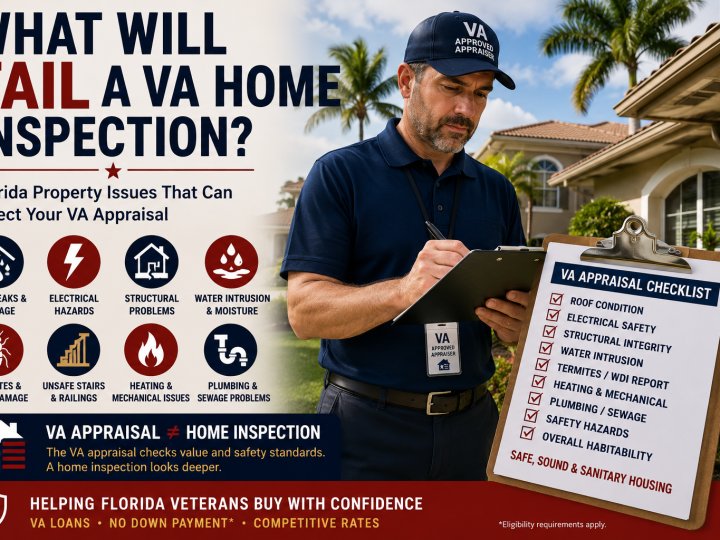
This is the fun part: finding your new home! Once you’re preapproved, you can start house hunting. When you find a place you love and make an offer, the VA requires an appraisal to ensure the property is safe, sound, and sanitary. This step is designed to protect you and your investment. Your lender will guide you through the appraisal and the final steps of the closing process. Before you know it, you’ll be signing the final papers and getting the keys to your new home. It’s a rewarding moment that makes all the steps worthwhile.
What to Do If You Can’t Make Your Payments
Life happens, and sometimes financial challenges can make it tough to keep up with mortgage payments. If you find yourself in this situation, please know you aren’t alone and there are systems in place to help. The VA is committed to helping veterans stay in their homes, and taking action early is the most important step you can take. Your mortgage advisor is also a key resource who can help you understand the programs available and guide you toward the right solution. Below are a few of the primary support systems the VA has in place for homeowners facing financial hardship.
How the VA Offers Financial Counseling
First things first: don’t hesitate to reach out for help. The VA has dedicated loan technicians who provide free financial counseling to help you get back on track and avoid foreclosure. These professionals can review your situation and explain your options in a clear, supportive way. You can speak directly with a VA loan technician by calling 877-827-3702. They are there to provide personalized guidance and support tailored to your circumstances. Reaching out is a proactive step toward finding a solution, and it’s the best way to start moving forward.
Exploring Repayment Options like Forbearance
If you’re facing a temporary financial setback, the VA offers several repayment programs to help you bridge the gap. Options like forbearance allow you to temporarily pause or reduce your mortgage payments, giving you time to stabilize your finances without the immediate threat of foreclosure. Another possibility is a loan modification, which permanently changes your loan’s terms to make your monthly payments more manageable. It’s critical to explore these options as soon as you anticipate trouble making a payment. The sooner you communicate with your lender, the more flexibility you’ll have to find a workable solution.
Grants for Veterans with Service-Connected Disabilities
For veterans with certain service-connected disabilities, the VA provides additional support through specialized grants. These funds are designed to help you live more comfortably and safely in your home. For example, the Specially Adapted Housing (SAH) grant helps eligible veterans build, buy, or modify a home to meet their specific needs, such as making it wheelchair accessible. By helping cover the costs of necessary adaptations, these VA housing grants can relieve significant financial pressure and make your home more sustainable for the long term. If you have a service-connected disability, it’s definitely worth looking into whether you qualify for this valuable assistance.
Is a VA Loan Your Best Path to Homeownership?
For many veterans, service members, and eligible surviving spouses, the answer is a resounding yes. A VA loan can be one of the most powerful tools for buying a home, thanks to benefits designed specifically for you. The most talked-about advantage is the ability to buy a home with no down payment. For most people, saving up a huge lump sum is the biggest barrier to homeownership, and this feature removes it completely. On top of that, you get to skip paying for Private Mortgage Insurance (PMI), which is typically required on conventional loans with less than 20% down. This alone can save you a significant amount on your monthly payment.
The financial perks don’t stop there. Because the government guarantees a portion of the loan, lenders can often offer very competitive interest rates, which can save you thousands over the life of your loan. But perhaps the most unique benefit is the safety net it provides. The VA is committed to helping homeowners succeed. If you ever face financial hardship and struggle to make payments, the VA offers assistance to help you avoid foreclosure. This level of support is almost unheard of with other loan types. When you combine the zero-down option, no PMI, and lower rates, it’s clear why a VA loan is often the smartest financial move for those who have served.
Related Articles
Start Your Home Loan Journey Today
Get pre-qualified in minutes and take the first step toward owning your dream home with expert guidance.
Frequently Asked Questions
What if my credit score isn’t perfect? This is a very common concern, so let’s clear it up. While the VA itself doesn’t set a minimum credit score, individual lenders do. However, the credit requirements for VA loans are often much more flexible than for conventional loans. Lenders can offer this flexibility because the VA guarantee reduces their risk. So, even if your credit history has a few bumps, you may still qualify. The best approach is to have an honest conversation with a mortgage professional who can review your complete financial picture and give you a clear idea of where you stand.
Can I really buy a home with zero money out of pocket? The zero down payment feature is one of the best parts of a VA loan, but it doesn’t mean the process is entirely free. You will still have some costs to consider, like the appraisal fee, title insurance, and other closing costs. The VA does limit what lenders can charge you in closing costs, which helps keep things affordable. You’ll also have the VA funding fee, but for most borrowers, this can be rolled into the total loan amount, so you don’t have to pay it upfront.
How much is the VA funding fee, and will I have to pay it? The VA funding fee is a one-time charge that helps keep the loan program available for future veterans. The amount is a percentage of the loan, and it varies. For first-time users with no down payment, it’s typically just over 2%, while for subsequent uses, it might be around 3.3%. However, you may not have to pay it at all. The fee is often waived for veterans receiving VA disability compensation and for certain surviving spouses. We can help you determine the exact fee for your situation and see if you qualify for an exemption.
Can I use a VA loan to buy an investment property? This is a great question with a specific answer. VA loans are intended for your primary residence, meaning the home you plan to live in. You generally cannot use one to buy a property solely for investment or rental purposes. However, there is a smart strategy you can use. You are allowed to purchase a multi-unit property, like a duplex or a four-plex, as long as you occupy one of the units as your home. You can then rent out the other units, which can help cover your mortgage and build wealth.
I’ve heard that sellers don’t like VA loan offers. Is that true? This is an old myth that, thankfully, is becoming less of an issue. In the past, some sellers were wary of VA loans because they thought the appraisal process was too strict or that the loans took longer to close. Today, that’s rarely the case. An experienced real estate agent and a knowledgeable lender can ensure the process is just as smooth and efficient as any other type of financing. Presenting a strong, preapproved offer from a reputable lender shows sellers you are a serious and qualified buyer.