
Start Your Home Loan Journey Today
Get pre-qualified in minutes and take the first step toward owning your dream home with expert guidance.
Key Takeaways
- Access significant savings: VA loans make homeownership more affordable by letting you purchase a home with zero down payment and avoid the monthly expense of private mortgage insurance (PMI).
- The process is simpler than you think: Don’t let myths about complexity hold you back. Key steps like getting your Certificate of Eligibility (COE) are straightforward with an experienced lender, and credit requirements are often more flexible than other loan types.
- Your benefit is flexible and reusable: This isn’t a one-time offer. You can use your VA loan eligibility multiple times throughout your life to buy different homes or refinance, making it a powerful and lasting financial tool.
What Is a VA Home Loan?
If you’ve served in the military, a VA home loan is one of the most valuable benefits you’ve earned. It’s not a loan that comes directly from the government. Instead, it’s a home mortgage that’s partially guaranteed by the U.S. Department of Veterans Affairs. This government guarantee gives private lenders, like us, the confidence to offer incredible terms and make homeownership more accessible for service members, veterans, and their families.
Think of it as a thank you for your service, designed to help you buy, build, improve, or refinance a home. Because the government backs a portion of the loan, the risk for lenders is lower. That risk reduction is passed on to you in the form of amazing benefits, like requiring no down payment and having more flexible credit requirements than other loan types. Whether you’re a first-time homebuyer or looking to refinance your current mortgage, understanding how VA loans work is the first step toward using this powerful tool to achieve your homeownership goals.
Who Can Get a VA Loan?
So, who exactly is eligible for this fantastic benefit? The primary group includes veterans, active-duty service members, and certain surviving spouses of service members who died in the line of duty or from a service-related disability. Your specific eligibility for a VA loan depends on your service history, including how long you served and your duty status.
Beyond meeting the service requirements, you’ll also need to meet the lender’s criteria for credit and income. Lenders will want to see that you have a reliable income to handle the monthly mortgage payments. You will also need a valid Certificate of Eligibility (COE) from the VA to prove to the lender that you qualify for the benefit based on your service.
VA vs. Conventional Loans: What’s the Difference?
When you compare a VA loan to a conventional loan, the differences are pretty clear, and they almost always favor the VA loan. The most significant advantage is that nearly 90% of VA-backed home loans are made with no down payment. For many homebuyers, saving up a 10% or 20% down payment is the biggest hurdle, and a VA loan removes it completely.
Another major money-saver is that VA loans do not require Private Mortgage Insurance (PMI). On a conventional loan, you typically have to pay PMI if your down payment is less than 20%, which adds a hefty sum to your monthly payment. By skipping PMI, you save a significant amount of money over the life of your loan. These benefits make homeownership much more attainable and affordable.
Are You Eligible for a VA Home Loan?
So, you’re interested in a VA loan, but the big question is: do you qualify? It’s a common starting point, and the requirements can feel a little overwhelming at first glance. The good news is that the eligibility criteria are designed to include a wide range of service members, veterans, and even certain surviving spouses. The key is to understand how your specific service history fits into the VA’s guidelines.
Think of it less like a test and more like a checklist. Your eligibility depends on how long you served, your duty status, and your type of service. We’ll walk through the main requirements together, from your time in service to the one essential document you’ll need to get started. By the end of this section, you’ll have a much clearer picture of where you stand and what your next steps should be for securing a VA loan.
Check Your Service Requirements
The foundation of your eligibility rests on your military service. The VA looks at several factors, including your duty status, how long you served, and the character of your discharge. Generally, you’ll meet the requirements if you served for a minimum period of active duty, which varies depending on whether you served during wartime or peacetime. For example, you might need 90 consecutive days of active service during wartime or 181 days during peacetime. The VA provides a full breakdown of the service requirements, so you can check your specific circumstances against their official guidelines.
Eligibility for Active-Duty and National Guard Members
You don’t have to be a veteran to use your VA loan benefit. If you’re currently on active duty, you can qualify after just 90 days of continuous service. This is a fantastic opportunity for service members to buy a home while they’re still serving. Eligibility has also expanded for members of the National Guard and Reserves. If you have at least 90 days of active service, including 30 consecutive days under specific Title 32 sections, you may now be eligible. This change has opened the door to homeownership for many who previously didn’t qualify, making it easier to secure a home for your family.
What About Surviving Spouses?
The VA home loan benefit also extends to support the families of those who made the ultimate sacrifice. Certain surviving spouses of veterans and service members may be eligible for a VA loan. You may qualify if you are the spouse of a service member who died in the line of duty or as a result of a service-related disability. You may also be eligible if your spouse was missing in action or a prisoner of war. This is an important benefit that provides lasting support, and we can help you understand if you meet the specific eligibility criteria for spouses.
Getting Your Certificate of Eligibility (COE)
Think of the Certificate of Eligibility (COE) as your golden ticket. It’s the official document from the VA that confirms you meet the minimum service requirements for the loan. You need a COE to show lenders that you qualify for a VA-backed home loan based on your service history. Don’t worry, getting it isn’t as complicated as it sounds. We can often help you get your COE directly, or you can apply for it online through the VA. It’s a crucial first step in the application process, and having it ready will make everything that follows much smoother.
The Biggest Benefits of a VA Home Loan
If you’ve served in the military, a VA loan is one of the best financial benefits available to you. This program was designed to make homeownership more accessible for veterans and service members, and it comes with some truly incredible advantages that you won’t find with other loan types. From saving money upfront to keeping your monthly payments low, these perks can make a huge difference in your home-buying journey. Let’s look at the biggest benefits you can expect.
Buy a Home with Zero Down
One of the most powerful features of a VA home loan is the option to buy a home with no down payment. This is a game-changer for many, as saving up a large lump sum is often the biggest hurdle to homeownership. According to the Department of Veterans Affairs, nearly 90% of VA-backed loans are made without the buyer needing to put any money down. This allows you to get into your new home sooner and keep your savings for other important things like furniture, moving expenses, or an emergency fund.
Skip Private Mortgage Insurance (PMI)
With most conventional loans, you have to pay for Private Mortgage Insurance (PMI) if your down payment is less than 20%. This extra fee protects the lender, not you, and it gets added to your monthly mortgage payment. With a VA loan, you can say goodbye to this expense. Even with zero down, you don’t have to pay for PMI, which can save you a significant amount of money each month. Over the life of your loan, this adds up to thousands of dollars in savings, making your home more affordable from day one.
Secure a Competitive Interest Rate
Because VA loans are backed by the government, lenders view them as less risky. This security often translates into a direct financial benefit for you: a lower interest rate. VA loans are well-known for having some of the most competitive rates on the market, which can result in lower monthly payments and overall savings. A lower interest rate doesn’t just mean a smaller monthly payment; it also means you’ll pay less in total interest over the years. This helps make your home more affordable in both the short and long term, giving you more financial breathing room.
Take Advantage of Assumable Loans and Reusability
VA loans come with a couple of unique perks you can use down the road. First, they are “assumable,” meaning a future buyer could potentially take over your loan at its original interest rate. This can be a fantastic selling point if rates rise. Second, this isn’t a one-time offer. You can use your VA loan benefit more than once, allowing you to purchase different homes throughout your life. It’s a reusable benefit that provides lasting value long after you’ve left the service, supporting your homeownership goals at every stage.
Explore Your VA Loan Options
The VA loan program isn’t a single, one-size-fits-all product. It’s a flexible benefit with several different loan types designed to meet you where you are in your homeownership journey. Whether you’re buying your first home, need to access your home’s equity, or want to lower your monthly payment, there’s likely a VA loan option that fits your goals. Understanding these choices is the first step toward making the most of the benefits you’ve earned. Let’s walk through the main types of VA loans available.
Buying a Home with a VA Purchase Loan
This is the loan most people think of when they hear “VA loan.” Its main purpose is to help you buy a home. According to the Department of Veterans Affairs, VA-backed home loans help service members, veterans, and eligible surviving spouses purchase a home, and nearly 90% of these loans are made without a down payment. This means you can finance 100% of the home’s value, which is a massive advantage for first-time homebuyers. This loan can be used to buy a single-family home, a condo, or even a multi-unit property, as long as you plan to live in one of the units.
Tapping Into Equity with a Cash-Out Refinance
If you already own a home and have built up some equity, a VA Cash-Out Refinance loan can help you turn that equity into cash. This option allows you to borrow against your home’s value to pay for things like home improvements, consolidating debt, or funding education. You don’t need to have an existing VA loan to use this option; you can refinance a conventional or FHA loan into a VA Cash-Out Refinance. It’s a powerful tool for leveraging the asset you already own. Our team can help you explore refinancing solutions to see if this is the right move for you.
Lowering Your Rate with an IRRRL
The Interest Rate Reduction Refinance Loan (IRRRL), often called a “VA Streamline,” is designed for one thing: to help you get a lower interest rate on your existing VA loan. This can lower your monthly mortgage payment and save you a significant amount of money over the life of your loan. The process is typically much faster and requires less paperwork than a standard refinance because you’re going from one VA loan to another. There’s often no appraisal or credit underwriting package required by the VA, making it a simple and effective way to improve your financial standing.
The Native American Direct Loan (NADL) Program
The VA also offers the Native American Direct Loan (NADL) program to help eligible Native American veterans buy, build, or improve a home on Federal Trust Land. Unlike other VA loans where the VA guarantees the loan from a private lender, with the NADL program, the VA is the direct lender. This specialized program features favorable terms, including a low interest rate and limited closing costs, to address the unique circumstances of purchasing a home on trust land. It’s a dedicated resource designed to make homeownership more accessible for Native American veterans.
Finding the Right Home with Your VA Loan
Once you’re pre-approved for a VA loan, the fun part begins: house hunting. This loan program is designed to be flexible, but there are a few guidelines to keep in mind as you tour properties. Understanding these rules from the start will help you focus your search on homes that are a perfect fit for you and your financing. From occupancy rules to property conditions, here’s what you need to know to find a home that meets the VA’s requirements.
The Primary Residence Rule
One of the most important rules of a VA loan is that the home you buy must be your primary residence. This means you have to intend to live in the house full-time. According to the Department of Veterans Affairs, you’re generally expected to move into the property within 60 days after your loan closes. This requirement ensures the program’s benefits are used to help veterans and service members secure a place to live, rather than purchase an investment property. So, as you browse listings, make sure you’re looking for a place you can truly call home.
What Kinds of Properties Can You Buy?
You might be surprised by the variety of properties you can purchase with a VA loan. The program is about more than just traditional houses. Versatile VA home loans can help you buy, build, or even improve a property. This opens up your options to include single-family homes, condominiums in VA-approved projects, and even multi-unit properties (as long as you live in one of the units). This flexibility gives you the freedom to find a home that fits your lifestyle, whether it’s a turnkey suburban house or a duplex in the city.
Understanding Property Standards and Loan Limits
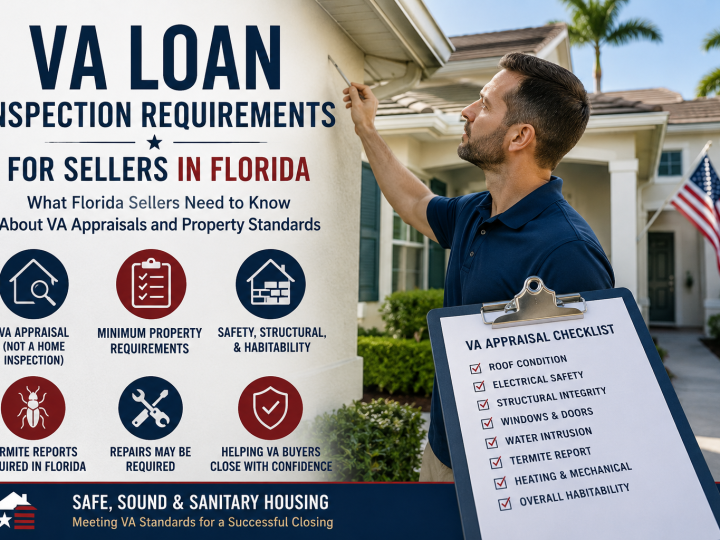
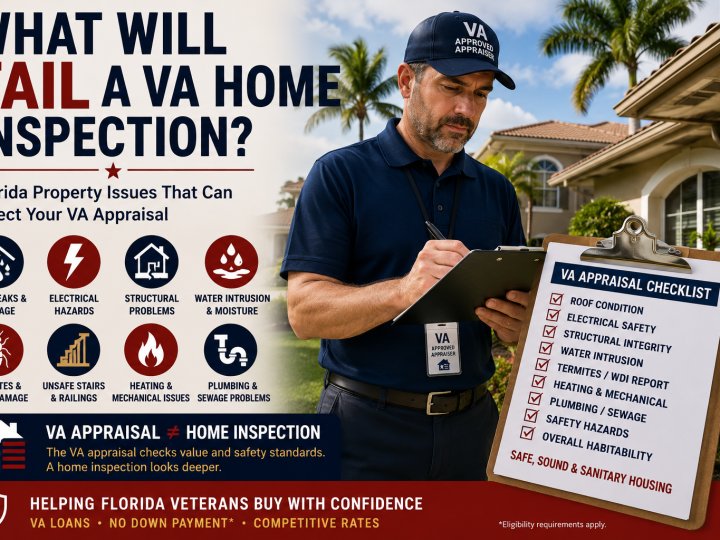
The VA wants to ensure the home you’re buying is safe, sound, and sanitary. To do this, every home financed with a VA loan must undergo a VA appraisal, which includes a check for Minimum Property Requirements (MPRs). An appraiser will confirm the home meets certain health and safety standards, checking for things like a solid roof, safe electrical systems, and no lead-based paint. While this might sound strict, it’s designed to protect you from buying a home with serious issues. It’s also wise to be aware of VA loan limits in your area, as this will help you set a realistic budget for your search.
Your Step-by-Step Guide to Applying for a VA Loan
Ready to make your homeownership dream a reality? Applying for a VA loan is a straightforward process when you break it down into manageable steps. Think of it as a clear path from where you are now to holding the keys to your new home. We’ll walk you through each stage, so you know exactly what to expect and can feel confident from start to finish.
Step 1: Get Your Certificate of Eligibility (COE)
First things first, you’ll need to get your Certificate of Eligibility (COE). This is an official document from the Department of Veterans Affairs that confirms you meet the minimum service requirements for a VA loan. It’s the key that opens the door to this fantastic benefit. You can request your COE online through the VA’s portal or by mail. Even better, you can let us handle it for you. As your mortgage partner, we can often get this document for you quickly, making the first step as simple as possible.
Step 2: Find a VA-Approved Lender
Once you have your COE, it’s time to partner with a lender who is authorized to handle VA loans. Not all banks or mortgage companies have experience with the VA loan process, so it’s important to work with someone who understands the specific guidelines. A knowledgeable lender can help you make the most of your benefits. At Mortgages Done Right, we specialize in VA home loans and have a network of trusted lenders ready to offer competitive rates and terms, ensuring you get a great deal.
Step 3: Gather Your Documents and Apply
With a lender chosen, the next step is to get pre-approved. This involves submitting an application and providing some financial documents. You’ll typically need your COE, recent pay stubs, W-2s from the last two years, and bank statements. Gathering these items ahead of time will help everything move smoothly. Getting pre-approved is a huge milestone because it shows sellers you’re a serious buyer and gives you a clear budget for your home search. This step is especially helpful for first-time homebuyers who want to shop with confidence.
Step 4: From Loan Processing to Closing Day
After you’ve found a home and your offer is accepted, your loan moves into processing. During this phase, your lender will order a VA appraisal to ensure the property meets safety standards and is valued correctly. An underwriter will then review your complete file to give the final approval. Once that’s done, you’re cleared to close. At the closing, you’ll sign the final paperwork, and just like that, you’ll become a homeowner. It’s a truly exciting moment and the culmination of all your hard work and planning.
Common VA Loan Myths (and the Real Story)
When it comes to home financing, myths and misinformation can be a huge roadblock. This is especially true for VA loans, an incredible benefit earned through your service. Many eligible veterans and service members hesitate to explore this option because of things they’ve heard that simply aren’t true. Maybe you’ve heard they’re a nightmare to apply for, that sellers won’t accept offers with VA financing, or that you need perfect credit to even be considered. These common misconceptions can unfortunately stop people from using one of the best home loan programs available.
Let’s clear the air and look at the real story behind these myths. The truth is, VA loans are designed to make homeownership more accessible for you, not more difficult. They come with unique advantages you won’t find anywhere else, like the potential for no down payment and no private mortgage insurance. In this section, we’ll break down what’s fact and what’s fiction, covering everything from the application process to credit scores and property appraisals. Understanding the real story is the first step toward confidently using this amazing benefit to get into a home you love. We want you to feel empowered, not intimidated, by the process.
Myth: VA Loans Are Too Complicated
One of the biggest myths is that the VA loan process is tangled in red tape and impossible to get through. It’s easy to see why people might think that, but the reality is quite different. While there are specific steps, like getting your Certificate of Eligibility (COE), the process is very structured and designed to be user-friendly. The key is working with a lender who has experience with VA loans. An expert can guide you through each step, from gathering documents to closing, making the entire experience feel streamlined and manageable instead of overwhelming. They know the requirements inside and out and can help you avoid common pitfalls.
Fact: Understanding Credit and Debt Requirements
Many people believe you need perfect credit to qualify for a VA loan, but that’s not the case. The VA itself doesn’t set a minimum credit score requirement. Instead, individual lenders set their own underwriting standards. VA financing can often provide more flexibility than borrowers expect. If credit is one of your concerns, read our guide to getting a VA loan with bad credit as a first-time buyer to understand how lenders may evaluate the overall loan profile.
Fact: What to Expect from the VA Appraisal
The VA appraisal is another area that’s often misunderstood. It’s not just about determining the home’s market value; it’s also a basic safety and livability check. The appraiser ensures the property meets the VA’s Minimum Property Requirements (MPRs). This means they’ll check for things like a sound roof, safe electrical systems, and freedom from hazards like lead-based paint. This isn’t meant to be a hurdle. Instead, it’s a valuable protection that helps ensure you’re buying a safe, sound home. This extra layer of review is especially reassuring for many first-time homebuyers who want peace of mind about their new investment.
What Are the Costs of a VA Loan?
One of the best features of a VA loan is the option to buy a home with no down payment. But that doesn’t mean the process is entirely free. Like any mortgage, a VA loan comes with its own set of costs and fees you’ll want to plan for. Understanding these expenses ahead of time helps you budget properly and ensures there are no surprises on closing day. The good news is that these costs are often lower than with other loan types, and there are ways to minimize what you pay out of pocket. Let’s walk through the main costs you can expect.
How the VA Funding Fee Works (and Who’s Exempt)
Most veterans who use a VA loan will pay a one-time VA funding fee. This fee goes directly to the Department of Veterans Affairs to help keep the loan program running for future generations of service members. The amount you pay depends on a few factors, including your down payment amount and whether this is your first time using your home loan benefit. You can either pay this fee upfront at closing or roll it into your total loan amount. However, not everyone has to pay it. You may be exempt from the VA funding fee if you are receiving VA disability compensation or are a surviving spouse of a veteran who died in service.
A Look at Other Closing Costs
Besides the funding fee, you’ll also have other closing costs to consider. These are standard expenses involved in a real estate transaction and can include the VA appraisal, title insurance, credit report fees, and state or local recording fees. While the VA limits the closing costs lenders can charge, the final amount will vary based on your lender and where you’re buying. Your lender will give you a Loan Estimate that breaks down all anticipated costs. It’s a great idea to review this document carefully so you know exactly what to expect. Our team can help you understand every line item and find competitive terms for your VA loan.
Tips for Reducing Your Out-of-Pocket Expenses
Feeling a little worried about closing costs? Don’t be. There are several smart ways to reduce how much you need to bring to the table. One common strategy is to negotiate with the seller to have them pay for some or all of your closing costs. This is often called a “seller concession.” Another great approach is to shop around with different lenders, since rates and fees can vary. As a mortgage brokerage, we do that work for you by comparing options from our extensive lender network.
What If You Have Trouble Making Payments?
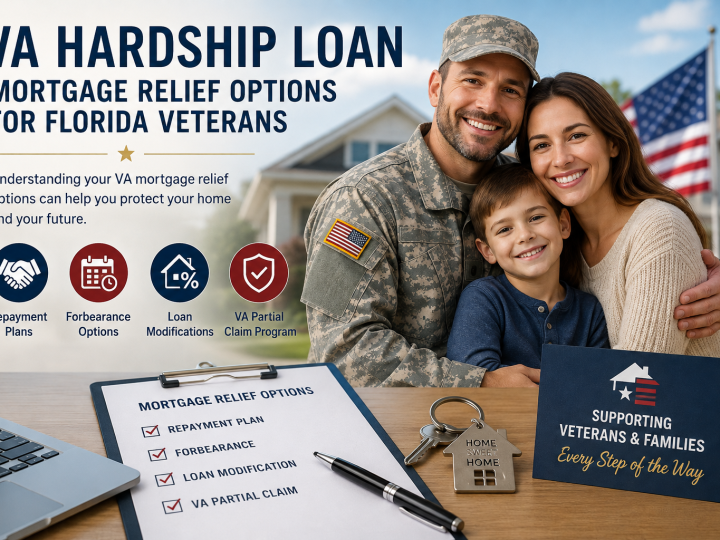
Life happens, and sometimes financial challenges can make it difficult to keep up with mortgage payments. If you find yourself in this situation, help may be available. The VA loan program has support systems designed to help veterans who are struggling with their mortgage. The key is to act quickly and communicate with your loan servicer and the VA as soon as you anticipate a problem.
Where to Find VA Loan Counseling and Support
If you’re struggling to make your mortgage payments, your first step should be to connect with the Department of Veterans Affairs. The VA provides dedicated housing assistance and counseling to help you understand your options and avoid foreclosure. Their loan technicians may be able to work with you and your servicer to understand available options.
Exploring Your Repayment and Modification Options
When you contact the VA for help, they can provide guidance and connect you with resources related to your mortgage payments. Depending on your situation, different repayment or modification options may be available. Early communication generally gives borrowers more time to understand the choices available.
Resources to Help You Get Back on Track
Credit and debt issues can also affect borrowers who are preparing to purchase rather than struggling with an existing mortgage. Veterans concerned about their credit profile can review our guide to VA loans for first-time buyers with credit challenges before discussing their specific situation with a mortgage professional.
Let’s Secure Your VA Loan Together
The VA loan process has its own set of rules and requirements, but you don’t have to figure it out alone. That’s where we come in. Our team is dedicated to helping service members, veterans, and their families use the benefits they’ve earned. We’ll walk you through the process, from confirming eligibility through closing, and help you compare available VA loan options.
Our Expertise in VA Loans
We specialize in VA loans because we believe in the program’s mission. The U.S. Department of Veterans Affairs created these loans to help veterans, service members, and eligible surviving spouses buy, build, or refinance a home. They often come with favorable terms compared with other financing options. Our job is to help organize the details, compare available lender options, and guide you through the mortgage process.
Get the Personalized Guidance You Deserve
First things first, you’ll need a Certificate of Eligibility (COE) to show lenders you qualify based on your service history. We can help you get this sorted out. From there, we’ll explore VA loan benefits including potential zero-down financing and no private mortgage insurance. If credit or debt is part of your concern, our guide to VA loans with credit challenges provides additional information before we review your individual scenario.
Related VA Loan Resources
- VA Loans for First-Time Buyers With Credit Challenges
- Watch Our VA Loan Benefits Video
- Eligibility Criteria for VA Home Loans
- VA-Backed Home Loans: How They Work
- VA Funding Fee and Closing Costs
- VA Home Loan Benefits for Surviving Spouses
Start Your Home Loan Journey Today
Get pre-qualified in minutes and take the first step toward owning your dream home with expert guidance.
Frequently Asked Questions
How much money do I really need to buy a home with a VA loan? While it’s true that you can buy a home with no down payment, you should still plan for some out-of-pocket expenses. You will have closing costs, which cover things like the appraisal and title insurance. There is also a VA funding fee, which is a one-time cost that helps keep the program running. The good news is that you can often roll the funding fee into your loan, and seller-paid costs may be available subject to VA guidelines and the terms of your transaction.
What if my credit score isn’t perfect? You don’t need a perfect credit history to qualify for a VA loan. The VA itself doesn’t establish a universal minimum credit score for all VA-guaranteed loans; lenders apply their own underwriting requirements. If this is a concern, learn more about VA loans for first-time buyers with credit challenges.
Can I use the VA loan benefit more than once? Yes. Your VA loan benefit can generally be used more than once. Depending on your circumstances, entitlement may be restored after a previous VA loan is paid off, and some borrowers may have remaining entitlement available.
Are there restrictions on the type of home I can buy? The home generally must be intended as your primary residence, so a standard VA purchase loan is not designed for a vacation home or a pure investment property. The property also needs to meet applicable VA Minimum Property Requirements.
I’m still on active duty. Can I still apply for a VA loan? Yes. Eligible active-duty service members may qualify for VA home loan benefits based on applicable service requirements.
How Mortgages Done Right Can Help
Mortgages Done Right specializes in helping South Florida veterans, active-duty service members, and eligible families compare VA loan options with local guidance from application through closing.