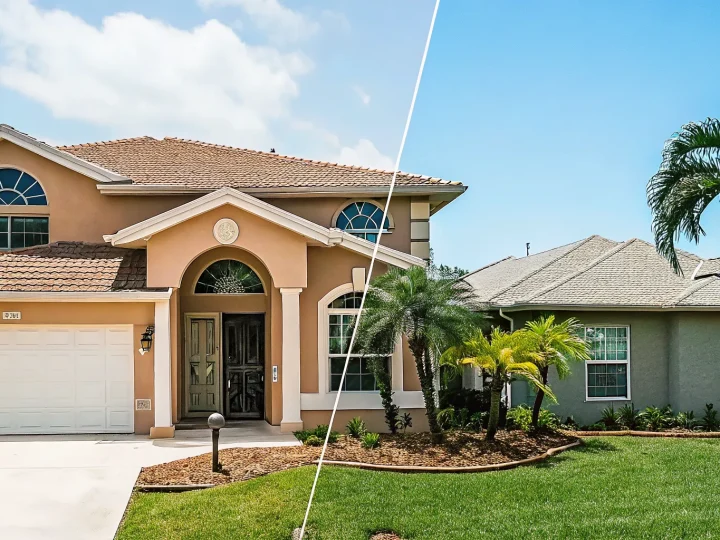

South Florida buyers can reach a jumbo loan threshold before choosing a mansion. A higher loan amount changes the review behind an otherwise familiar mortgage.
What is a jumbo loan: a mortgage above the conforming loan limit for purchase by Fannie Mae and Freddie Mac. For 2026, the Federal Housing Finance Agency set the baseline one-unit limit at $832,750 in most U.S. counties. In South Florida, a home price can push a buyer beyond the applicable limit before the property seems unusually large. That means the lender may closely review income, credit, debts, down payment, assets, and cash reserves before deciding whether the file qualifies. A mortgage consultation helps you confirm the applicable limit, learn what documents may be required, and prepare an offer with clearer expectations. That preparation matters before making an offer.
So, when does a South Florida purchase move beyond standard financing, and what should you expect next? What is a jumbo loan in Florida? explains the local starting point, the limits shaping your options, and the questions to bring to a consultation. The path begins with
What is a jumbo loan in Florida?
If you are asking what is a jumbo loan, start with the amount financed, not the home’s style or address. A jumbo loan is a mortgage above the conforming loan limit that applies to the property. The term matters because crossing that line places the mortgage outside the standard conforming loan category.
The conforming limit line
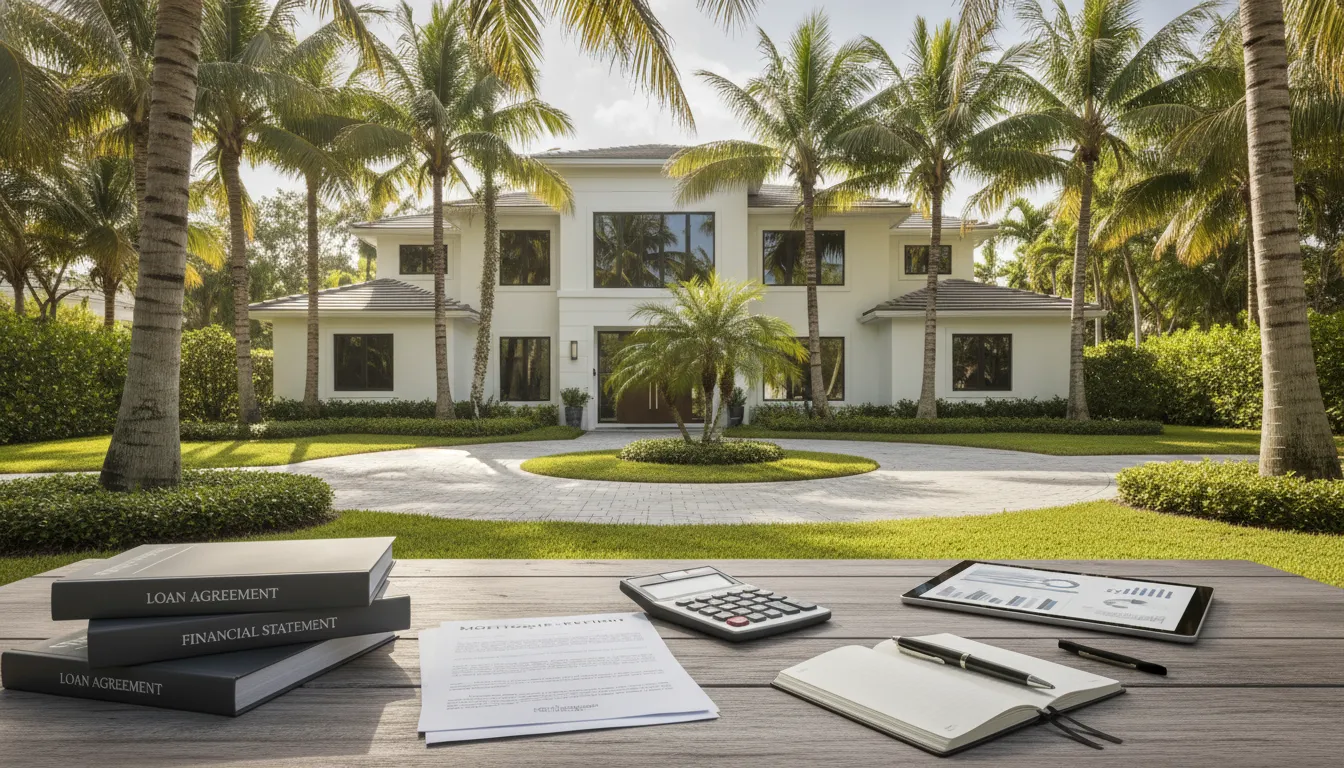
Conforming loan limits mark the largest loans that Fannie Mae and Freddie Mac may buy under their rules. The Federal Housing Finance Agency sets the baseline one-unit limit at $832,750 for most U.S. counties in 2026. Mortgages above the applicable limit are called jumbo loans.
The limit is tied to the loan amount, not just the home’s sales price. A larger down payment may reduce the amount financed below the applicable line. A smaller down payment on the same property could put the loan above that line. This is why two buyers considering similar homes may need different loan types.
How the definition applies locally
For a South Florida buyer, the definition becomes useful while setting a budget. Homes in Palm Beach, Broward, Miami-Dade, or St. Lucie may involve different price points and goals. Before deciding that a property calls for jumbo financing, check the current limit and calculate the amount you plan to borrow.
This keeps the conversation focused on facts you can confirm: purchase price, down payment, property type, county, and loan amount. If your plan is near the limit, a South Florida mortgage consultation can help you compare options. You can then choose a loan path that fits the purchase.
Why the label matters
A loan over the conforming limit is not eligible for purchase by Fannie Mae or Freddie Mac under conforming rules. The Consumer Financial Protection Bureau states that obtaining a jumbo mortgage may cost more than obtaining a conforming mortgage. That difference is worth understanding before making an offer or setting a cash-to-close plan.
In plain terms, jumbo describes size relative to a federal limit, not a special kind of house. It helps you ask the right questions early: how much will be borrowed, which limit applies, and what loan choices match that amount? Clear answers can make the next steps in a Florida home purchase easier to plan.
Jumbo loan limits and South Florida home prices
When a loan becomes jumbo
What is a jumbo loan in practical terms? It is a mortgage amount above the conforming loan limit set by the Federal Housing Finance Agency (FHFA). Loans within that limit may be bought by Fannie Mae or Freddie Mac. Loans above it are jumbo mortgages.
For a one-unit home in most U.S. counties, the 2026 baseline conforming loan limit is $832,750. A buyer seeking a loan above the limit that applies to the property will generally need jumbo financing. The threshold relates to the loan amount, not just the sale price.
Home price, down payment, and loan amount
Higher home prices can bring the jumbo question into view sooner. This matters for buyers looking in Palm Beach, Broward, Miami-Dade, and St. Lucie counties. Still, a higher-priced home does not by itself make a mortgage jumbo. The down payment changes how much must be borrowed.
For example, two buyers may make offers at the same price but request different loan amounts. One may stay within the conforming limit after a larger down payment. The other may cross the applicable limit and need to review jumbo options.
-
Start with the expected purchase price and planned down payment.
-
Subtract the down payment to estimate the needed base loan amount.
-
Compare that amount with the current limit for the property’s county and home type.
Why the current limit should be checked
Loan limits are not fixed forever. FHFA adjusts conforming loan limits each year based on changes in its national House Price Index. The applicable limit may also depend on the location and property type. Buyers should confirm the current threshold before choosing a financing path.
A limit check is useful early in a home search because it helps frame cash needs and loan choices. Buyers weighing homes across South Florida can use a South Florida mortgage consultation to discuss the loan amount for a specific property and down payment plan.
Jumbo loan vs. conforming loan: Key differences
A jumbo loan is a mortgage above the loan limit set for purchase by Fannie Mae and Freddie Mac. For a one-unit home in most counties, the 2026 conforming limit is $832,750, according to the Federal Housing Finance Agency. A conforming loan stays at or below the local limit.
Where the loan types separate
The dividing line starts with loan amount, but it affects the full application review. A jumbo loan falls outside conforming limits. Buyers should compare cash needs, proof of assets, appraisal steps, and pricing before making an offer.
| Comparison point | Conforming loan | Jumbo loan |
|---|---|---|
| Loan size. | Within the county loan limit. | Above the county loan limit. |
| Underwriting. | Reviewed under conforming guidelines. | Terms set by the loan program. |
| Down payment. | Program terms set cash due. | Confirm cash due for the request. |
| Cash reserves. | Verify required reserves, if any. | Ask how many months are needed. |
| Appraisal. | Value must support financing. | Confirm valuation steps for the home. |
| Rates and costs. | Price depends on the file and market. | Costs may differ from conforming credit. |
| Documents. | Submit required income and asset records. | Ask whether added records apply. |
The Consumer Financial Protection Bureau notes that obtaining a jumbo mortgage may cost more than obtaining a conforming mortgage. That does not mean one choice is always cheaper for a buyer. Compare loan estimates for the same property, term, and rate type.
Cash and document planning
A larger loan request can make early cash planning useful. Before shopping at the top of a price range, list available down payment funds and funds left after closing. This helps frame questions about reserves and closing costs before a contract is signed.
Gather pay records, tax records, bank statements, and details on other debts before an application. Ask which pages or time periods the reviewer needs. Clear records can reduce follow-up requests and help you compare the same terms across available options.
South Florida buyers may enter the jumbo range while shopping for higher-value homes. A South Florida mortgage consultation can help check the proposed amount against the local limit. It can also clarify questions about reserves and records.
Questions to compare early
Start by checking the planned loan amount, not only the purchase price. Then ask how income and assets are reviewed, how property value is checked, and what funds must remain after closing. Also ask whether rate quotes include the same points and fees.
A clear comparison puts the requested amount, cash needed, reserve rules, appraisal steps, documents, and total cost side by side. That makes it easier to discuss which loan path fits the home purchase and financial file.
How do you qualify for a jumbo loan?
A jumbo loan is a mortgage amount above the conforming limit for its county and property type. The Federal Housing Finance Agency sets these limits, so a loan can be jumbo in one location but not another. Once a loan falls outside conforming limits, lenders review the full file under their own guidelines.
Financial profile and available cash
There is no single jumbo approval checklist that applies to every lender. A lender may review your credit record, stable income, current debts, and funds available after closing. Debt-to-income ratio (DTI) compares monthly debt payments with gross monthly income.
- Credit profile: Payment history, credit use, and recent credit events may shape available programs.
- Income and DTI: Pay, business income, bonuses, investments, debts, and the proposed housing payment are reviewed together.
- Cash reserves: Funds left after closing may show that you can handle future payments and property costs.
- Down payment: The amount due at closing depends on the program, occupancy, property, and borrower file.
Exact targets vary, so avoid treating a score, down payment, or reserve estimate as an approval rule. Your lender can explain which assets count as reserves. The lender can also explain how each income type must be documented.
Property and paperwork review
The home also matters in jumbo underwriting. Lenders may review the property type, its intended use, and the value supported by an appraisal. A primary home, vacation home, investment property, condo, or unique luxury home may be reviewed differently.
- Property details: Address, type, occupancy plan, purchase contract, and association records when needed.
- Income proof: Tax returns, pay records, business records, or asset statements, based on how you earn income.
- Asset proof: Statements showing funds for the down payment, closing, and requested cash reserves.
- Appraisal: A lender-ordered valuation that supports the purchase price and requested loan amount.
Gathering clear records early can help prevent delays when an underwriter asks for added detail. To decide what is a jumbo loan for your purchase, start with the estimated loan amount and property county.
Why lender review matters
Jumbo loans do not follow one set of approval terms. The Consumer Financial Protection Bureau notes that a jumbo mortgage may cost more than a conforming mortgage. Review rates, fees, cash needed, and payment choices together before selecting a loan.
A South Florida mortgage consultation can help you compare lender guidelines with your credit, assets, property, and income records. That discussion can show which questions to resolve before you submit an offer or full loan application.
What happens during the jumbo loan process?
Loan size and first review
A jumbo loan starts with the amount you need to borrow, not the home’s style or address. The Federal Housing Finance Agency explains that mortgages above its conforming limit are jumbo loans. If your South Florida purchase may cross that line, prepare for a closer review of finances and property.
A focused first meeting can help you avoid rushed choices after an offer is accepted. During a South Florida mortgage consultation, discuss your purchase price range, planned down payment, income sources, assets, debts, and preferred monthly payment.
Steps from planning to closing
The path is familiar, but the file may need more detail than a smaller mortgage. Buyers can make the review smoother by keeping statements complete, explaining large transfers early, and staying easy to reach during these steps.
-
Start with a consultation. Review the likely purchase price, loan amount, cash needs, and timing. Ask which records may apply to salary, business income, investments, trusts, or other assets.
-
Request preapproval before touring in earnest. Provide income, asset, credit, and debt information for review. A clear preapproval plan helps you shop within a practical price range and write a prepared offer.
-
Update documents after an accepted offer. Supply current statements, tax or income records, identification, and contract details when requested. Avoid moving funds between accounts without first asking how to document the transfer.
-
Complete the property review. The lender reviews the purchase contract, property type, insurance needs, and other file details. Condos, coastal properties, or unique homes may call for extra records and added time.
-
Schedule the appraisal and underwriting review. The appraisal supports the property’s value for the requested loan. Underwriting then checks the full loan file and may ask for updated pages or short explanations.
-
Prepare for closing. Review final figures, confirm required funds, and follow wire safety instructions from trusted closing contacts. Respond quickly to final questions so the closing date has fewer last-minute risks.
Practical timing for South Florida buyers
High-value purchases often involve moving parts, such as condo records, insurance questions, or funds held in several accounts. Gather documents before making an offer, keep the money trail clear, and tell your advisor about deadlines in the contract.
If you are still comparing financing paths, review understanding high-balance financing before deciding how much cash to use. The right sequence is simple: know the range, document it well, then match the loan to the home.
Is a jumbo loan right for you?
What is a jumbo loan in the context of your next home? It is financing above the conforming limit. That places it outside the standard purchase limits used by Fannie Mae and Freddie Mac. The Consumer Financial Protection Bureau explains this dividing line in its overview of jumbo mortgages.
Buyers who may need more room
A jumbo loan may fit a move-up buyer whose next home needs a larger mortgage amount. It may also suit a luxury homebuyer choosing a higher-value property in South Florida. The key question is not the home’s label. It is whether the needed loan amount exceeds the conforming limit for that property.
Investors may consider jumbo financing for a higher-priced property as well. Their decision can depend on the property’s use, cash needs, and lender review. Buyers comparing purchase paths can start by understanding high-balance financing. This can help them choose a loan type.
Payment comfort and available reserves
A larger purchase price does not always mean a jumbo loan is a sound fit. Review the monthly payment, cash due at closing, taxes, insurance, and planned home costs. Then ask what remains after closing. A cash cushion can help with repairs, income shifts, or other needs.
- Can the monthly payment fit your budget without bonuses or uncertain income?
- Will you have cash left after the down payment and closing costs?
- Can you keep funds available if the lender asks for reserves?
- Would another purchase price or down payment leave you more room each month?
Do not choose a larger loan amount only because you may qualify for it. A sound loan supports your housing goal. It also leaves room for life outside the mortgage payment.
Your time horizon and next step
Long-term owners may weigh a jumbo loan differently from buyers who expect to move soon. Think through job changes, family needs, upkeep, and how long the home should serve you. An investor should also check how financing fits the property’s expected cash flow and holding plan.
Jumbo loan terms and review needs can vary by borrower and property. A South Florida mortgage consultation can help you compare options. The review can use your income, assets, goals, and target home to check whether jumbo financing fits your plan.
Frequently Asked Questions
What is the jumbo loan limit for 2026?
For a one-unit home in most U.S. counties, the 2026 conforming loan limit is $832,750. A mortgage above the applicable conforming limit is generally a jumbo loan. In designated high-cost areas, the one-unit ceiling is $1,249,125. Because limits depend on county and property type, confirm the applicable threshold before planning financing. The Federal Housing Finance Agency publishes the official annual limits.
What credit score is required for a jumbo loan?
There is no single credit score required for every jumbo loan. Each lender sets guidelines based on the requested amount, property, income, debts, reserves, and overall credit profile. A stronger credit history may improve available options, but a score alone does not establish approval. A mortgage consultation can review your South Florida purchase scenario against current jumbo lending requirements.
How much is the minimum down payment for a jumbo loan?
The minimum down payment for a jumbo loan is not one universal number. It varies by lender, loan amount, occupancy, property type, credit profile, and available assets. Buyers considering higher-value South Florida homes should compare the needed cash at closing with funds reserved after closing. A consultation can clarify current program requirements before an offer is made.
Why do jumbo loans have stricter financial requirements?
Jumbo loans exceed the limits for mortgages that can be purchased by Fannie Mae and Freddie Mac. As the Consumer Financial Protection Bureau explains, they can cost more to obtain than conforming mortgages. Because lenders evaluate that larger exposure, they may examine income, debts, credit, property value, and liquid reserves closely before approving financing.
What are jumbo mortgage cash reserve requirements?
Cash reserves are funds remaining after closing that can cover future mortgage payments and related housing costs. For jumbo mortgages, lenders may review liquid assets carefully because the borrowed amount is above standard conforming limits. Reserve requirements differ by program, borrower profile, property use, and loan size. Ask for a documented reserve estimate early, especially when purchasing a high-value South Florida property.
Ready to clarify your jumbo loan options?
Waiting until you find a property can leave little time to compare jumbo financing choices before important dates and decisions arrive. Starting now gives you space to discuss your goals, organize documents, and identify next steps before a South Florida purchase feels urgent. A consultation can turn uncertainty into a clearer discussion about loan size, down payment plans, timing, and the questions that matter to you.
Ready to move forward with a clearer plan? Schedule a mortgage consultation to review your jumbo loan goals and timeline. Bring questions about a South Florida purchase, refinance, or future move, so the conversation starts with practical priorities. Planning this discussion early can help you understand what information to gather before you are choosing among homes or making an offer.