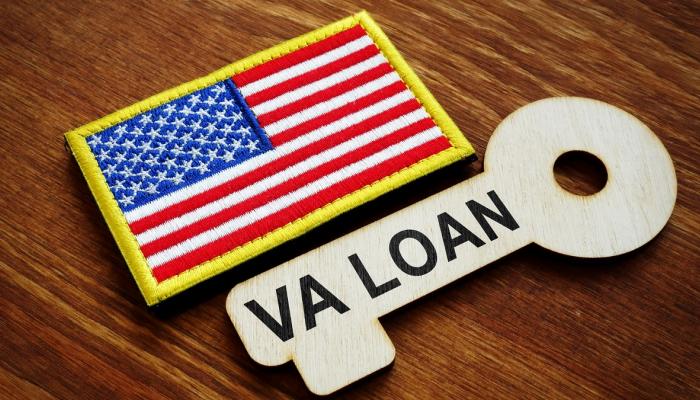

Let’s clear up one of the biggest myths about home loans right away: you do not need a perfect credit score to get a VA loan. It’s a persistent rumor that discourages countless deserving veterans from pursuing homeownership. The reality is that the Department of Veterans Affairs (VA) doesn’t set a minimum credit score requirement. This single fact opens up a world of possibilities. The rules you need to follow come from the private lenders who fund the loan, and their guidelines can vary significantly. This is where knowledge becomes power. This guide will give you the real story on how to qualify for a first time home buyer VA loan with bad credit, what lenders are truly looking for, and how you can find a lender who is willing to see your full financial picture.
Start Your Home Loan Journey Today
Get pre-qualified in minutes and take the first step toward owning your dream home with expert guidance.
Key Takeaways
- The VA doesn’t set a credit score minimum, lenders do: Because the VA guarantees the loan, lenders have their own unique requirements. This means getting a “no” from one bank doesn’t mean you are out of the running for a VA loan.
- Your financial habits can outweigh your score: Lenders look for positive signs, known as compensating factors, to approve your loan. A stable job, low debt, and consistent savings show you are a reliable borrower, even with imperfect credit.
- Take control with a clear action plan: You can strengthen your application by paying down debt and making on-time payments. For a personalized strategy, getting pre-approved provides expert feedback and a concrete plan to follow without any commitment.
Do You Qualify for a VA Loan?
Before we get into credit scores and applications, let’s start with the first and most important question: are you eligible for a VA loan? This amazing home loan benefit is reserved for service members, veterans, and eligible surviving spouses. The requirements are specific, but they’re also straightforward. Think of this as your first checkpoint on the path to homeownership. By confirming your eligibility and gathering your documents now, you’ll make the entire process feel much more manageable down the road. Let’s walk through exactly what you need to qualify.
Service Requirements
First things first, you need to meet certain service requirements to use this benefit. The U.S. Department of Veterans Affairs has clear guidelines based on when and how you served. Generally, you’re eligible if you meet one of the following standards: you served 90 consecutive days of active service during wartime, 181 days of active service during peacetime, or have more than six years of service in the National Guard or Reserves. There are also provisions for certain surviving spouses of service members who died in the line of duty or from a service-related disability. You can find the complete VA loan eligibility criteria on the VA’s official website.
What Paperwork Will You Need?
Once you’ve confirmed you meet the service requirements, it’s time to get your paperwork in order. Lenders will need to verify your military service, income, and overall financial picture. The most important document is your proof of service, which is usually your DD Form 214. You’ll also need recent pay stubs and W-2s to show your income, along with bank statements. While the VA itself doesn’t set a minimum credit score, lenders do, so they will review your credit history. Having these documents ready to go will help your application move along smoothly. For a more detailed list, it’s helpful to review all the potential VA loan documents you might need.
How to Get Your Certificate of Eligibility (COE)
The Certificate of Eligibility, or COE, is the key document that proves to the lender that you qualify for the VA loan benefit based on your service. You can’t get a VA loan without it. The good news is that getting your COE is a simple process. The fastest way is to apply online through the VA’s eBenefits portal. You can also fill out a form and mail it in, though that takes a bit longer. An even easier option is to let your lender get it for you. Most lenders, including our team here at Mortgages Done Right, can get your COE for you in minutes. You can learn more about how to get your COE directly from the VA.
Can You Get a VA Loan with Bad Credit?
If your credit score isn’t perfect, you might assume a home loan is out of reach. But when it comes to VA loans, that’s often not the case. One of the biggest advantages of this program is its flexibility with credit. The Department of Veterans Affairs (VA) doesn’t actually set a minimum credit score requirement, which is great news for many veterans and active-duty service members.
While the VA itself is lenient, it’s important to remember that private lenders who issue the loans will have their own standards, often called “lender overlays.” This means one lender might turn you down while another is happy to work with you. Your financial story is more than just a three-digit number, and the VA loan process is designed to reflect that. Lenders will look at your entire financial picture to determine if you’re ready for homeownership.
VA Loans vs. Conventional Loans
When you compare VA loans to conventional loans, the difference in credit requirements becomes clear. Many conventional loan programs require a credit score of 620 or higher, creating a tough barrier for some buyers. VA loans, on the other hand, are much more accommodating. Some lenders are willing to work with borrowers who have scores in the low 600s or even high 500s.
Another major difference is the cost. With most conventional first-time homebuyer mortgages, you have to pay for private mortgage insurance (PMI) if your down payment is less than 20%. VA loans don’t require PMI, which can save you a significant amount of money each month. Instead, most borrowers will pay a one-time VA funding fee, which can be rolled into the total loan amount.
Myths About VA Loans and Bad Credit
There’s a persistent myth that you need a great credit score to get a VA loan. It’s easy to see why people think this, as many lenders do advertise a preference for scores of 620 or higher. However, this is a lender preference, not a VA rule. The VA program was specifically created to make homeownership more accessible for those who have served our country, and that includes having flexible guidelines.
Don’t let a low score discourage you from exploring your options. Because the VA doesn’t set a credit score floor, there’s a wider range of possibilities. The key is finding a lender who is willing to look at your complete financial profile. This is where working with a mortgage broker can be a huge help, as we have relationships with many different lenders who have varying requirements.
What Lenders Look for Besides Your Score
Your credit score is just one part of your application. Lenders want to see that you have a stable financial life and can handle a monthly mortgage payment. If your credit score is on the lower side, lenders will pay close attention to what they call “compensating factors.” These are positive elements in your financial profile that help balance out a lower score.
Strong compensating factors can include a steady employment history, a healthy amount of cash reserves, or a low debt-to-income ratio. Lenders will evaluate your overall financial stability to get a full picture of your ability to repay the loan. For example, if you’ve been at the same job for several years and have a few months of living expenses saved up, it shows you’re a reliable borrower, even if your credit has a few blemishes.
What Credit Score Do You Need for a VA Loan?
When you’re thinking about a VA loan, one of the first questions that probably comes to mind is about your credit score. It’s a common concern, especially if you know your credit has seen better days. The good news is that VA loans are designed to be more accessible for service members, veterans, and eligible surviving spouses. The answer to the credit score question isn’t a single number, but understanding how it works will give you a clear path forward.
It’s helpful to remember that the VA’s goal is to help you get into a home. While your credit history is part of the picture, it’s not the only thing lenders look at. Let’s break down what you need to know about credit scores and how they fit into the VA loan process.
Does the VA Set a Minimum Credit Score?
Here’s a surprising fact that might put your mind at ease: the U.S. Department of Veterans Affairs (VA) does not set a minimum credit score requirement. That’s right, there is no official rule from the VA that says you need a certain score to qualify for a loan. The VA’s role is to guarantee a portion of the loan for the lender, which reduces the lender’s risk. This guarantee is what makes lenders more willing to offer favorable terms, but the VA itself doesn’t lend the money or set credit score minimums for borrowers.
What Credit Score Do Lenders Look For?
Since the VA doesn’t set a credit score floor, the requirement you need to meet comes from the private lender, like a bank or mortgage company, that actually provides the funds. Each lender sets its own internal guidelines. Many lenders look for a credit score of 620 or higher for a VA loan. However, this isn’t a hard-and-fast rule across the board. Some lenders are more flexible and may approve VA loans for borrowers with scores in the 500s. This is why your experience can vary so much from one lender to another.
How Your Credit Score Affects Your Interest Rate
Your credit score plays a big role in determining the interest rate you’ll get on your loan. Generally, a higher credit score signals to lenders that you are a lower-risk borrower, which often results in a lower interest rate. If you qualify for a VA loan with a lower credit score, you might be offered a slightly higher interest rate. This can mean a higher monthly payment and more interest paid over the life of the loan. The upside is that the impact of a lower score on your interest rate is often less significant with a VA loan compared to a conventional loan.
Pros and Cons of a VA Loan with Imperfect Credit
Deciding on a mortgage is a big deal, and it helps to see the full picture. While a VA loan can be a fantastic path to homeownership, especially with a bumpy credit history, it’s smart to weigh the benefits against the potential costs. Understanding these trade-offs will help you make a confident choice that fits your financial situation. Think of it less as a list of good versus bad and more as a clear-eyed look at what to expect on your journey to getting the keys to your new home.
The Upside: Key VA Loan Benefits
One of the most significant advantages of VA loans is their flexibility with credit. The Department of Veterans Affairs doesn’t actually set a minimum credit score, which is a huge relief for many applicants. This gives lenders more room to work with you. While individual lenders will have their own standards, it means veterans and active-duty members can often secure a home loan even with imperfect credit. Some lenders may even approve applicants with scores in the 500s, provided other parts of their financial profile, like income and employment history, are solid. This accessibility is a core feature of the program and a major leg up compared to most conventional loans.
The Downside: Costs to Consider
While getting approved with a lower credit score is a major plus, it often comes with a trade-off: a higher interest rate. Lenders use credit scores to assess risk, so a lower score typically results in a higher rate to offset that risk. This means your monthly mortgage payment will be higher, and you’ll pay more in total interest over the entire loan term. It’s not a deal-breaker, but it’s a crucial factor to build into your budget. Think of it as the cost of being able to buy a home sooner rather than waiting to improve your credit. You can always look into refinancing solutions later on when your score improves.
How VA Loans Compare to FHA Loans
When you have less-than-perfect credit, you’ll likely hear about FHA loans, too. So, how do they stack up? FHA loans are another government-backed option that can be great for buyers with lower credit scores. You might get approved for an FHA loan with a score as low as 580 with a 3.5% down payment, or even 500 with 10% down. The biggest difference is that most VA loans require no down payment at all. For many veterans, this is the deciding factor. While an FHA loan is a solid alternative, the ability to buy a home with zero money down makes the VA loan an incredibly powerful and often more affordable option upfront.
How to Strengthen Your VA Loan Application
Even if your credit score isn’t where you’d like it to be, you can still present a very strong application. Lenders look at your entire financial picture, not just one number. By focusing on other areas of your finances, you can show them you’re a responsible and reliable borrower ready for homeownership. Think of it as building a case for yourself, where your strengths can easily outweigh any weaknesses. For VA loans, lenders are often able to consider these positive aspects, known as compensating factors.
These are the elements of your financial profile that demonstrate stability and a low risk, even if your credit history has a few bumps. Understanding what lenders are looking for beyond your credit score is the first step toward a successful application. It’s about showing that you have the financial habits and stability to handle a mortgage payment responsibly. This section will cover the key areas you can highlight to make your application shine, giving you the best possible chance at approval. We’ll go over your debt-to-income ratio, employment history, residual income, and other positive factors that can make a huge difference in the eyes of an underwriter. By preparing these aspects of your application, you take control of the narrative and present yourself as the capable homebuyer you are.
Debt-to-Income Ratio (DTI)
Your debt-to-income ratio, or DTI, is a key metric lenders use. It’s the percentage of your gross monthly income that goes toward paying your monthly debts, like car loans, student loans, and credit card payments. A lower DTI shows a lender that you have plenty of room in your budget to comfortably take on a mortgage payment. If your credit score is on the lower side, having a low DTI is a powerful compensating factor. It tells lenders you aren’t overextended financially, which makes you a much less risky borrower in their eyes.
Stable Employment History
Lenders love stability. A consistent employment history, especially if you’ve been at the same job or in the same industry for at least two years, demonstrates that you have a reliable source of income. This isn’t about how much you make, but rather the consistency of your paycheck. A steady job history gives the lender confidence that you’ll be able to make your mortgage payments on time, every month. It’s another piece of the puzzle that can help balance out a credit score that has seen better days and strengthens your overall application.
Residual Income Requirements
One unique and helpful aspect of VA loans is the residual income requirement. This is the amount of money you have left over each month after paying all your major expenses, including your new estimated mortgage payment, taxes, insurance, and other debts. The VA sets guidelines for how much residual income a family of your size needs for your specific region. Meeting this threshold is a huge plus. It proves to the lender that you can not only afford the mortgage but also handle everyday living costs without financial strain.
Compensating Factors That Help Your Case
Think of compensating factors as all the positive points in your financial story that can make up for a lower credit score. Lenders will look for these to approve your loan. Beyond a low DTI and stable job, this can include having a significant amount of cash saved up for emergencies or a history of paying rent on time. As a first-time homebuyer, showing you’re a good saver or have a solid rental history can make a real difference. Highlighting these strengths paints a fuller, more accurate picture of your financial responsibility.
Steps to Improve Your Credit Score
If your credit score isn’t where you’d like it to be, don’t worry. You have more power to change it than you might think. Improving your credit is an achievable goal that comes down to a few consistent habits. Think of it as spring cleaning for your finances; a little effort now can clear the path toward your homeownership goals. Taking these steps shows lenders that you’re a reliable borrower, which can make a huge difference in your application for a VA loan. Let’s walk through some practical ways you can start strengthening your credit today.
Review Your Credit Report for Errors
Your first move should be to play detective with your credit report. You might be surprised to find errors, like an account that isn’t yours or a payment that was marked late by mistake. These inaccuracies can pull your score down, so it’s worth taking the time to check. You can get a free copy of your report from all three major credit bureaus (Equifax, Experian, and TransUnion) at AnnualCreditReport.com. If you spot something that doesn’t look right, file a dispute with the credit bureau. Correcting these mistakes is one of the quickest ways to see a positive change in your score.
Pay Down Debt and Lower Credit Use
Next, let’s talk about your credit utilization ratio. This is just a fancy term for how much of your available credit you’re using. Lenders generally like to see this number below 30%. For example, if you have a credit card with a $10,000 limit, you should aim to keep your balance under $3,000. A high utilization ratio can signal to lenders that you might be overextended. A great strategy is to focus on paying down the balances on your credit cards. Even small progress here can make a big impact on your score and show lenders you’re managing your debt responsibly.
Make On-Time Payments Consistently
This one is the golden rule of good credit. Your payment history is the single most important factor in your credit score. Lenders want to see a consistent track record of you paying your bills on time, every time. A single late payment can stay on your report for years, so it’s crucial to avoid them. My best tip is to set up automatic payments for at least the minimum amount due on all your accounts. You can also set calendar reminders a few days before your due dates. This simple habit demonstrates reliability and is the foundation of a strong credit profile.
Pause on New Credit Applications
When you’re getting ready to apply for a mortgage, it’s wise to put a freeze on opening any new lines of credit. This means holding off on that new retail store card or financing a car purchase. Every time you apply for new credit, it results in a “hard inquiry” on your report, which can cause your score to dip temporarily. While one inquiry isn’t a big deal, several in a short period can make lenders nervous. The best approach is to wait until after your home loan has officially closed before you take on any new debt. This keeps your financial picture stable and predictable during the underwriting process.
Helpful Tools to Track Your Credit
Staying on top of your credit is much easier when you have the right tools. I always recommend regularly checking your free credit reports from AnnualCreditReport.com to watch for changes and catch any potential issues early. Many banks and credit card companies also offer free credit score monitoring to their customers, which is a great perk to use. Watching your score change as you build healthier habits is incredibly motivating. Keeping an eye on your credit is a fundamental part of preparing for major financial steps, like applying for one of our first-time homebuyer mortgages and turning your homeownership dream into a reality.
Potential Hurdles in the Application Process
Even with the amazing benefits of a VA loan, applying with less-than-perfect credit can present a few challenges. The key is to know what they are ahead of time so you can prepare. Think of these not as stop signs, but as detours you can plan for. Understanding why lenders have different rules, what waiting periods might apply to you, and how your credit affects your rate will give you the confidence to put together your strongest possible application. With a little preparation, you can face these hurdles head-on and keep moving toward your goal of homeownership.
Why Lender Requirements Differ
One of the most common points of confusion is why one lender might say no while another says yes. Here’s the inside scoop: the Department of Veterans Affairs doesn’t actually set a minimum credit score. Instead, it guarantees a portion of the loan, which encourages private banks and mortgage companies to lend to veterans. However, each of these lenders sets its own internal requirements based on its own tolerance for risk. This is why you’ll see different minimum credit scores from lender to lender. A mortgage broker can be a huge help here, as we work with a wide network of lenders and understand their specific guidelines for VA loans.
Waiting Periods After Bankruptcy or Foreclosure
If you’ve had a significant financial event in your past, like a bankruptcy or foreclosure, you might need to wait a certain period before you can qualify for a new home loan. Lenders want to see that you’ve had time to get back on your feet financially. The good news is that the waiting periods for VA loans are often much shorter than for conventional loans. For example, you can typically apply for a VA loan just two years after a Chapter 7 bankruptcy or foreclosure, compared to longer waits for other loan types. It’s a good idea to talk with a loan professional to understand the specific timeline that applies to your situation.
Managing Potentially Higher Interest Rates
Your credit score is one of the main factors that determines your mortgage interest rate. A lower score generally signals more risk to the lender, which can result in a higher rate. While this is true for any loan, the impact is often less severe with VA loans compared to conventional financing. Still, even a small difference in your interest rate can affect your monthly payment and the total amount you pay over the life of the loan. If you secure a loan with a higher rate, remember that you can always look into refinancing solutions down the road once your credit has improved.
Tips for Overcoming These Challenges
If your credit score is on the lower side, lenders will look for other positive signs in your financial profile to feel confident about approving your loan. These are called “compensating factors,” and they can make a huge difference. Strong compensating factors show that you’re a responsible and reliable borrower. They include things like having a low amount of debt, a stable and long-term employment history, and a healthy amount of cash in savings. Lenders also look for a good amount of money left over each month after you pay your bills, which is known as residual income. These strengths can help balance out a lower credit score and get your application across the finish line.
Should You Apply Now or Wait?
Deciding on the right time to apply for a mortgage can feel like a huge question mark, especially when you’re worried about your credit. The good news is that the answer isn’t always to wait. Sometimes, moving forward is the right call, while other times, a little patience can put you in a much stronger financial position. The key is to look at your complete financial picture to figure out your next best step.
This decision is less about finding a perfect moment and more about understanding where you stand today. Let’s walk through the signs that indicate you might be ready to apply, when it makes more sense to hold off, and why getting pre-approved is a powerful move no matter what.
Signs You’re Ready to Apply
You might be in a better position to apply for a VA loan than you think. Since the VA itself doesn’t set a minimum credit score, lenders have more flexibility. They often look beyond the three-digit number to assess your overall financial health. If you have other strengths, a lower score might not be a dealbreaker.
You may be ready to apply if you have a stable employment history, a consistent income, and a handle on your monthly debts. Lenders want to see that you can comfortably manage payments. If you’ve built up some savings or have a low debt-to-income ratio, these are major points in your favor. Some lenders will approve VA loans for borrowers with scores in the 500s if the rest of their financial profile is solid.
When It Makes Sense to Wait
Sometimes, pressing pause is the most strategic thing you can do. If you’ve had a major financial event like a bankruptcy or foreclosure, you’ll likely face a mandatory waiting period before you can qualify for a new mortgage. Typically, you’ll need to wait at least two years after these events, so it’s best to use that time to rebuild your credit.
Even without a major event, waiting can be smart if your credit score is on the lower end. While VA loans are more forgiving, a lower score can still lead to a higher interest rate. A higher rate means a higher monthly payment and more interest paid over the life of the loan. Taking six months to a year to pay down debt and clean up your credit report could save you thousands.
Why Getting Pre-Approved Matters
If you’re on the fence, the single best thing you can do is talk to a mortgage expert and start the pre-approval process. Think of it as a financial check-up. It’s not a final commitment to buy; it’s a way to get a clear, expert opinion on your homebuying readiness. A pre-approval will tell you exactly how much a lender is willing to offer and what your interest rate might look like.
This step removes all the guesswork. As mortgage brokers, we can connect you with various VA-approved lenders who have different requirements. We can find a lender whose guidelines fit your situation or give you a concrete action plan if you’re not quite ready. You’ll walk away with either a pre-approval letter in hand or a clear roadmap detailing the exact steps to take to become a homeowner.
How a Mortgage Broker Can Help
Trying to secure a VA loan with less-than-perfect credit can feel like a solo mission, but it doesn’t have to be. Working with a mortgage broker, like our team at Mortgages Done Right, means you have an expert guide in your corner. We act as the intermediary between you and the lenders, and our job is to find you the best possible loan for your situation. Think of us as your personal home loan shopper and strategist. Instead of applying to different banks one by one, you have a dedicated partner who understands the landscape and advocates for you every step of the way. This partnership can be especially powerful when you’re a first-time buyer facing credit challenges.
Get Access to More Lenders
One of the biggest advantages of using a mortgage broker is gaining access to a wide network of lenders. Not every bank or credit union has the same lending standards, especially when it comes to VA loans and credit scores. Some lenders are simply more flexible than others. While your local bank might say no, a broker may know of several other lenders who are willing to work with your specific financial profile. This significantly increases your chances of getting approved. We do the legwork for you, comparing dozens of loan options to find a lender whose requirements you meet and who offers competitive terms for your VA loan.
Receive Personalized Guidance
The mortgage process involves a lot of paperwork and financial jargon, which can be overwhelming for anyone, let alone a first-time buyer. A mortgage broker provides personalized guidance tailored to you. We start by taking the time to understand your complete financial picture, from your credit history to your long-term homeownership goals. From there, we can help you prepare your application, explain your loan options in plain English, and answer all of your questions. This one-on-one support helps demystify the process and gives you the confidence to move forward. Our goal is to build a relationship with you and serve as your trusted advisor from pre-approval to closing day.
Discover Local Assistance Programs
Did you know there might be local programs that can help you buy your first home? Many states and cities offer grants and other forms of down payment or closing cost assistance. The problem is, these programs aren’t always widely advertised. Because mortgage brokers are experts in their local markets, we are often aware of these valuable resources. We can help you identify and apply for state and local homeownership assistance programs that you might qualify for. For a first-time buyer, getting help with upfront costs can make all the difference in turning your dream of owning a home into a reality.
Related Articles
- first-time homebuyer | Mortgage Done Right
- Conventional Loans in Florida | Mortgage Done Right
- Exploring Non-QM Loans: A Flexible Financing Solution | Mortgage Done Right
- FHA LOANS | Mortgage Done Right
- savings | Mortgage Done Right
Start Your Home Loan Journey Today
Get pre-qualified in minutes and take the first step toward owning your dream home with expert guidance.
Frequently Asked Questions
What’s the absolute lowest credit score I can have for a VA loan? There isn’t a single magic number because the VA itself doesn’t set a minimum score. The requirement comes from the private lender who funds the loan. While many lenders prefer a score of 620 or higher, some are more flexible and may work with borrowers who have scores in the high 500s. This is often possible when other parts of your financial profile, like a steady income and low debt, are very strong. The key is finding the right lender for your specific situation.
If the VA doesn’t set a minimum score, why do lenders have one? This is a great question that gets to the heart of how these loans work. The VA’s role is to guarantee a portion of your loan, which protects the lender if you default. This guarantee makes lenders more willing to offer great terms. However, the lenders are the ones providing the actual money for the mortgage. To manage their own financial risk, they create their own internal rules, which almost always include a minimum credit score requirement.
Will a low credit score mean I have to make a down payment on a VA loan? No, a lower credit score will not affect your ability to get a VA loan with no down payment. The zero-down-payment benefit is a core feature of the program and is not tied to your credit history. Your credit score will primarily influence the interest rate you are offered. A lower score might result in a higher interest rate, but it won’t suddenly trigger a down payment requirement.
Is it better to apply now with my current score or wait until it’s higher? This decision really depends on your personal goals and financial trade-offs. Applying now could get you into a home sooner, but you will likely face a higher interest rate, which means a larger monthly payment. If you wait a year to improve your credit, you could potentially save thousands of dollars over the life of the loan. The best way to know for sure is to talk with a mortgage professional. We can review your finances and help you understand what’s possible today versus what could be possible with a little more time.
What’s the most important thing lenders look for besides my credit score? Lenders want to see a complete picture of your financial stability. For VA loans specifically, one of the most important factors is your residual income. This is the money you have left over each month after paying all your major bills, including your new mortgage. Having enough residual income shows you can comfortably handle homeownership. Lenders also place a high value on a stable employment history and a low debt-to-income ratio, as these demonstrate you are a reliable borrower.